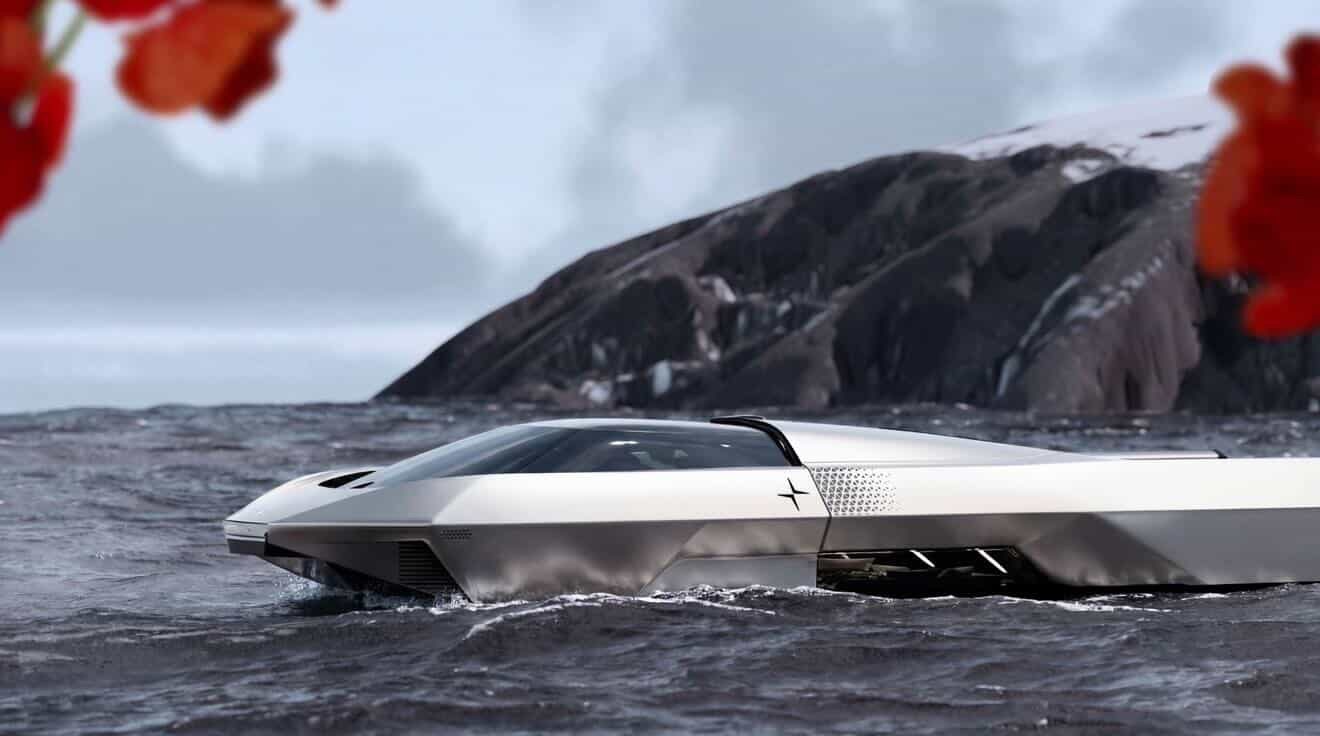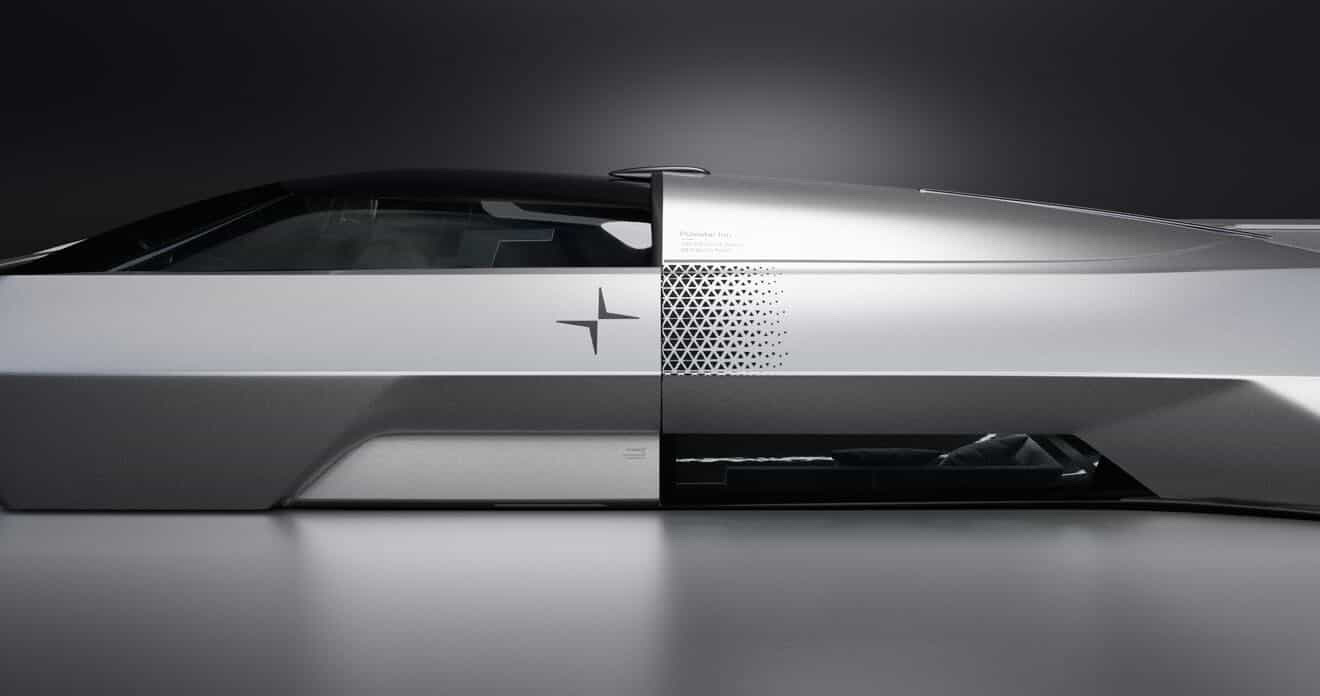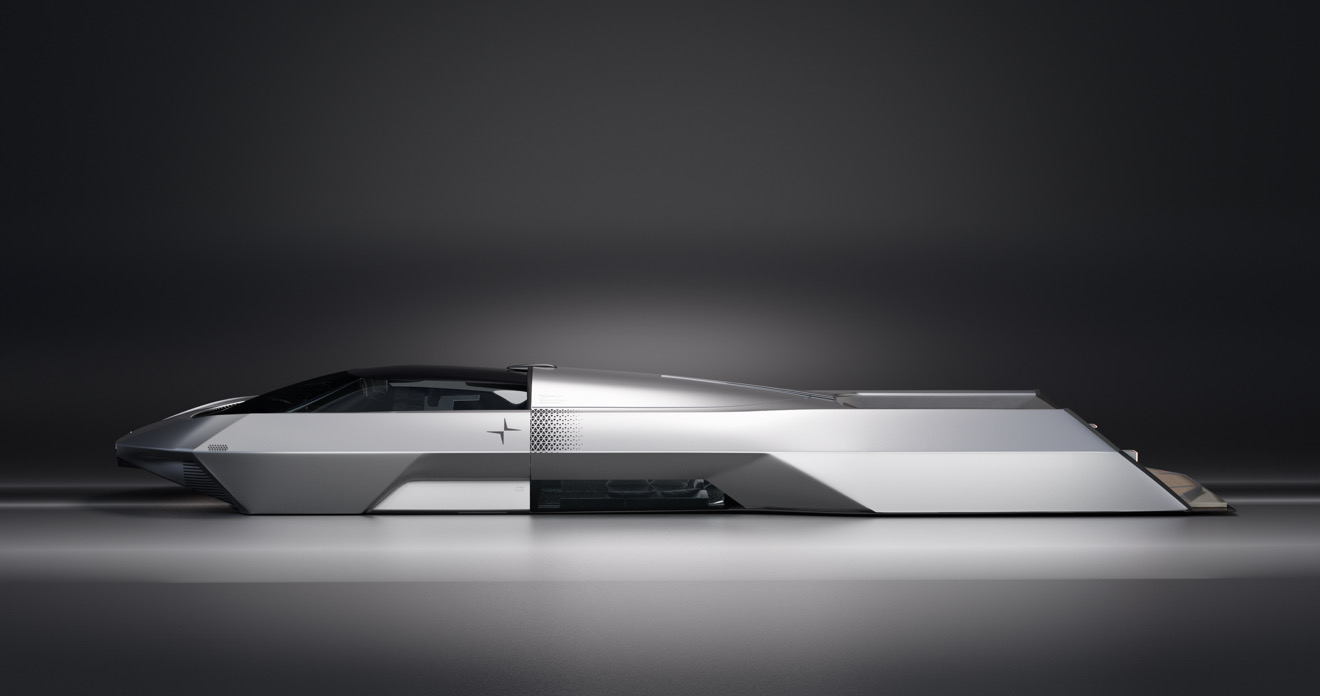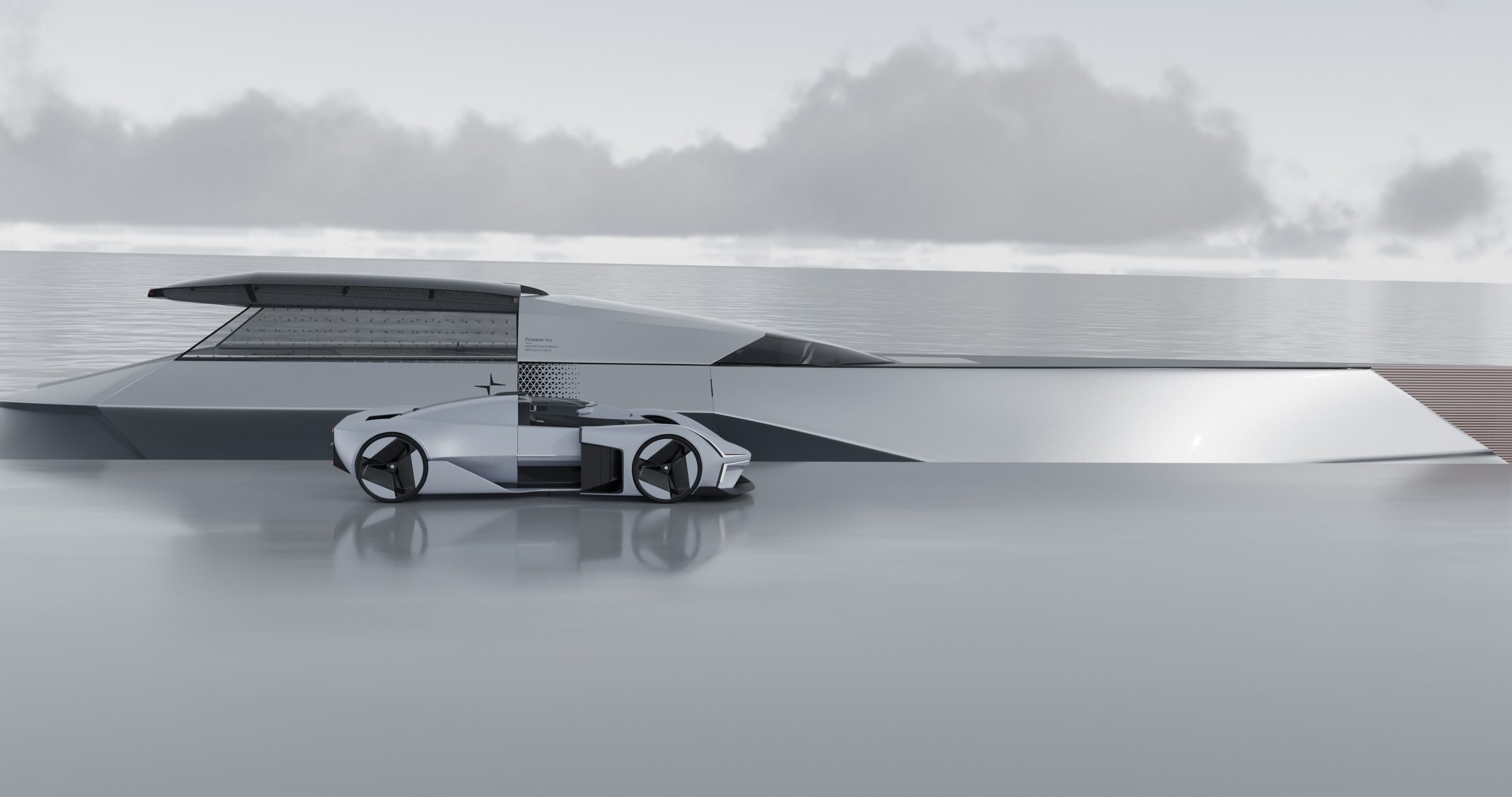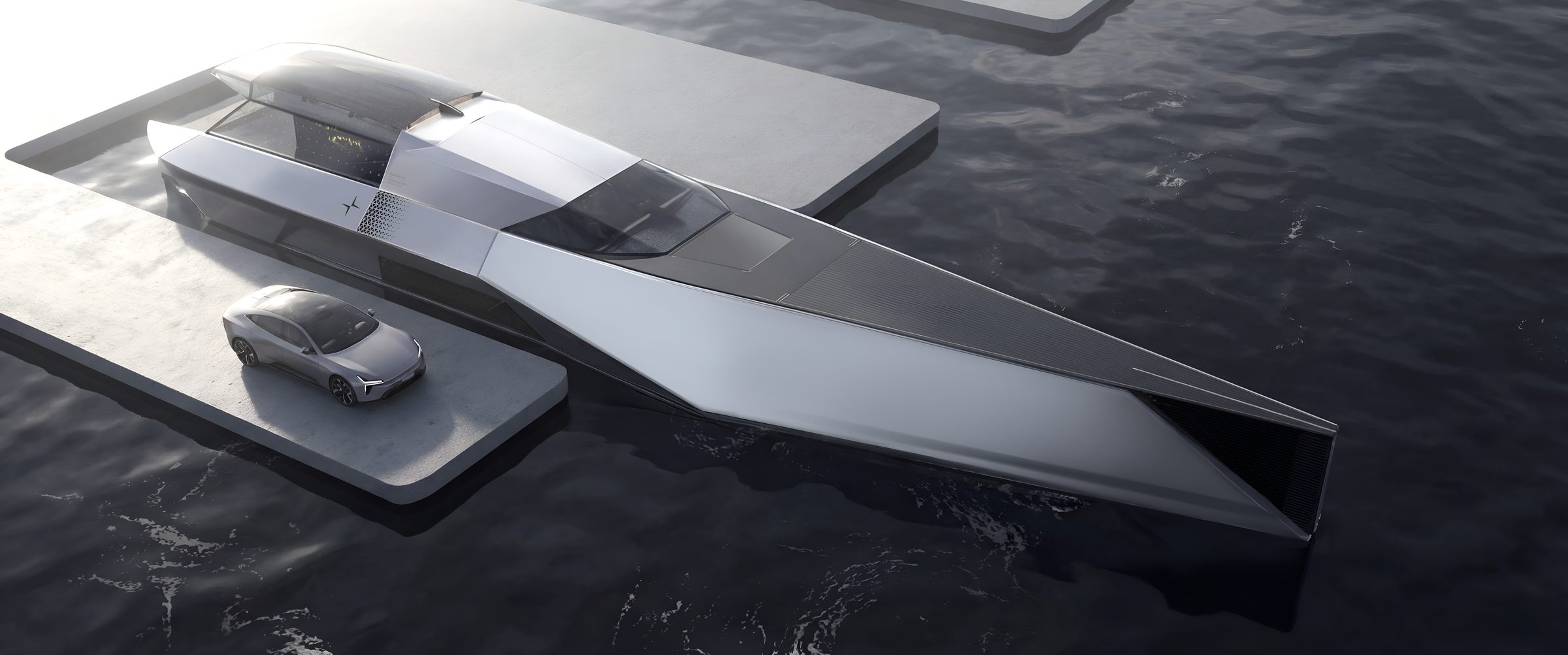
Polestar Ion docked with Polestar sedan
← All Work Lily Ren
01 — Marine Concept — 2035
A Polestar product first. A yacht second.
YearSummer 2025
TypeBrand Concept
Scale150 ft
Duration14 weeks

Polestar Ion.

Year
Summer 2025
Duration
14 weeks
Institution
ArtCenter College of Design
Role
Sole designer
Length *
150 ft / 45.7 m
Beam *
30 ft / 9.1 m
Powertrain *
Dual E-motor, 780 kW combined
Range *
280 nm @ 12 kn cruise
A 14-week studio project at ArtCenter. A 150-foot fully electric yacht that takes Polestar's design language — restraint, honest materials, cool-toned calm — and translates it into the marine space. Built around the moment of arrival, not the moment of performance.
* Specs are speculative. They exist to keep design decisions honest, not to claim engineering.
03 · Brand lens

A language already built.

Polestar spent a decade proving that luxury can be calm. Ion tests whether the same three principles hold once you take them off the road and put them on the water.
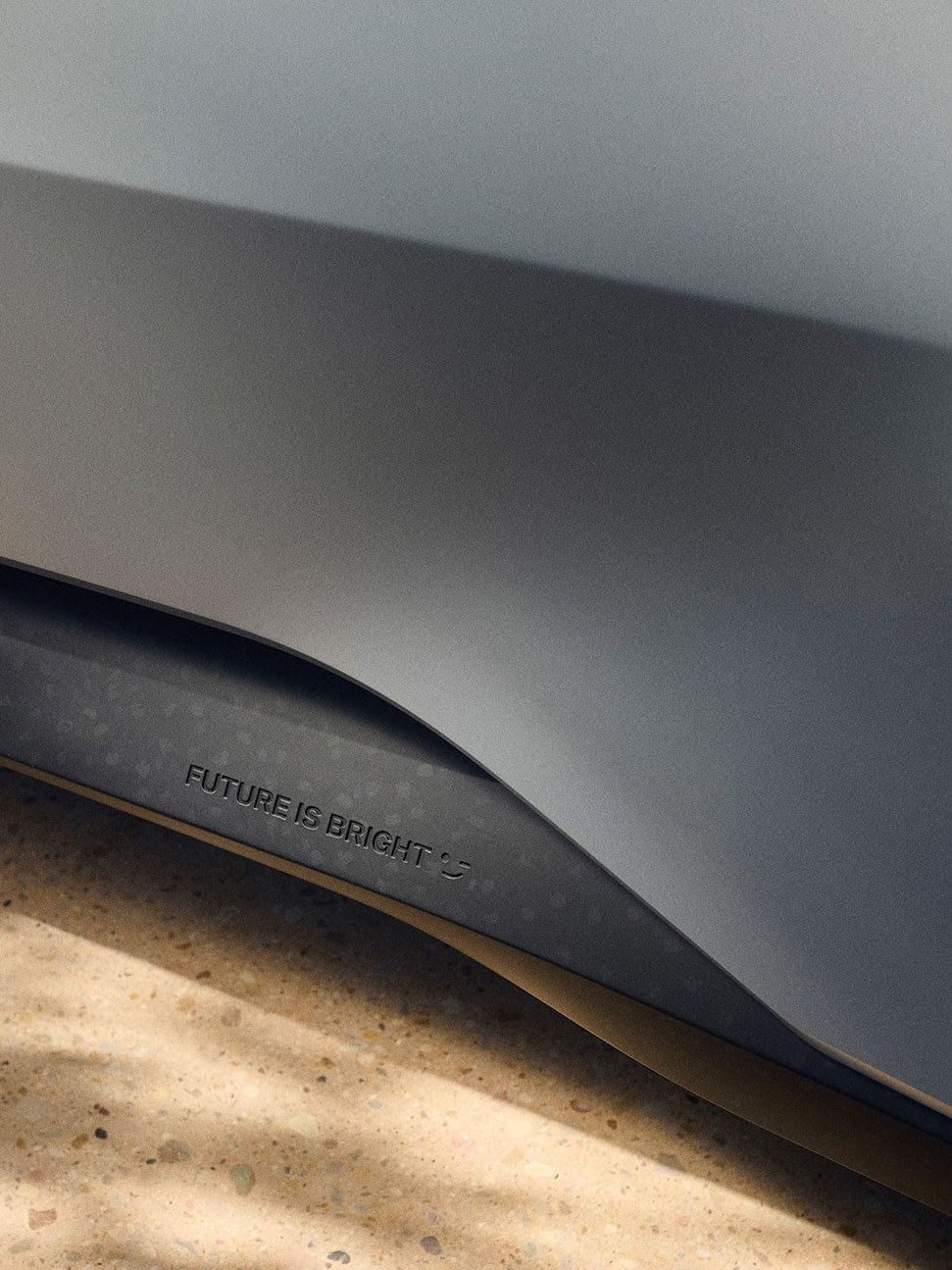
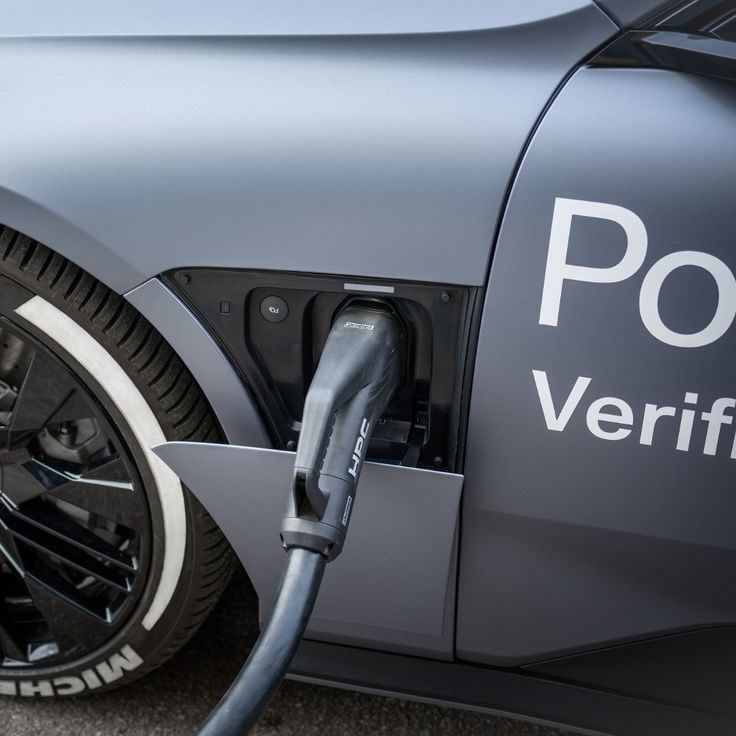
Polestar surface detail
01
Minimalistic Scandinavian design.
Material study
02
Sustainability as constraint.
Polestar in motion
03
Elegant & sporty.
04 · Context

A category still running on old thinking.

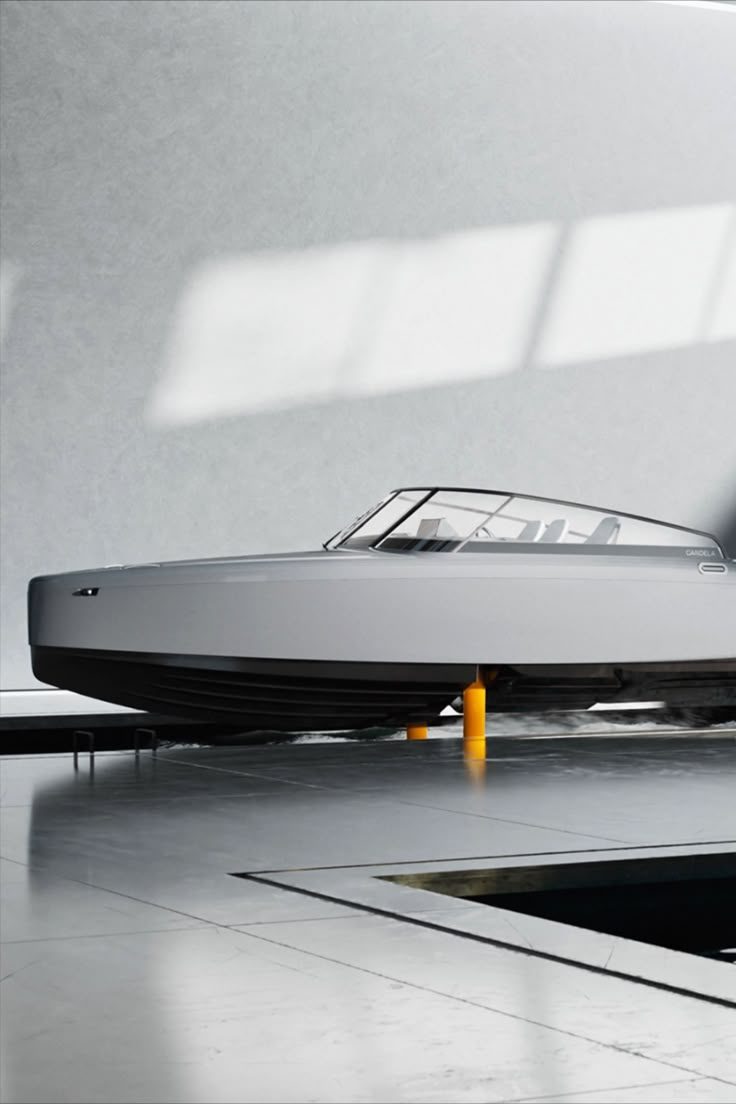
Megayacht — performance for guests Small cabin cruiser — limited weekend use
01 · Research
The boat performs. The person doesn't live on it.

Megayachts are built for guests. Cruisers are built for weekends that don't last. Both optimize for the audience, not the owner on board.

Current electric yacht — conventional hull, battery bolted in
02 · Research
Marine changed the engine, not the object.

Architecture and cars redefined what luxury looks like over the last decade. Yachts swapped the drivetrain and left the 1990s hull, deck, and material language exactly as they were.

The electric boat market is forecast to grow from $5.0B in 2021 to $16.6B by 2031.

— Global electric boat market · USD billions
$5.0B $8.1B $11.7B $16.6B
2021 · Baseline
$5.0B
2025
$8.1B
2028
$11.7B
2031 · 3.3×
$16.6B
— Allied Market Research 2022 · CAGR 12.9% · 2022–2031
— Types of yachts · length · fit · use
Day Cruiser
20–30 ft · fits 4–6
Short trips · leisure
Mini Yacht
30–50 ft · fits 6–8
Weekend cruising
Motor Yacht
50–100 ft · fits 8–12
Luxury travel
Super Yacht
100–200 ft · fits 12–36
High-end luxury · crew
05 · Concept
Designed around the thirty seconds of stepping from the dock onto a surface that holds still.

The project reset mid-term. An earlier direction prioritized entertainment, social volume, and feature density. The final version reframed the user — not someone escaping to party, but someone escaping to arrive. Every decision downstream flows from that one shift.
01
Restraint over spectacle
02
Precision over decoration
03
Experience over features
06 · Exterior

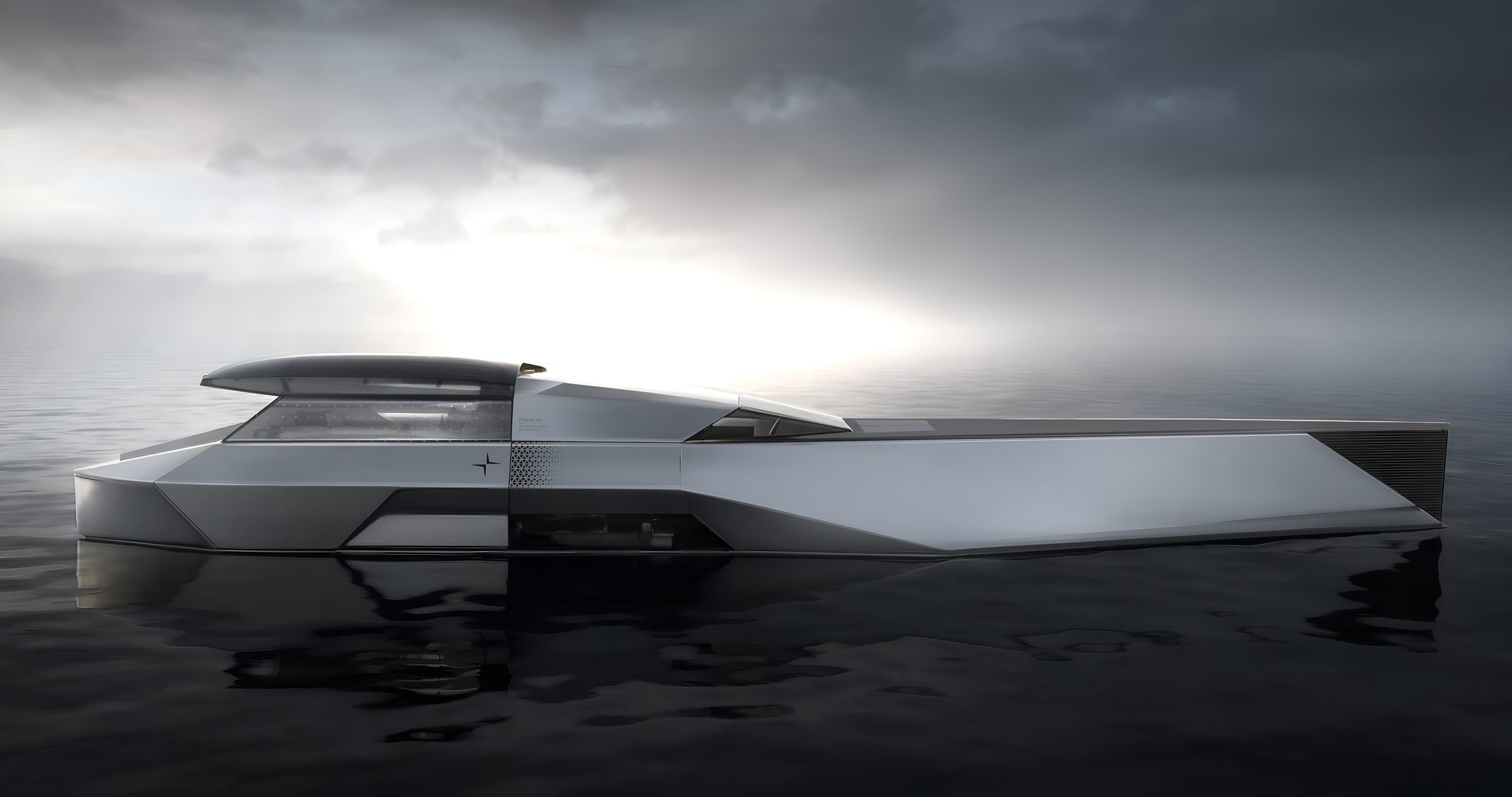
A monolithic silhouette.

The hull reads as one carved object, not an assembly of panels. No bolted-on vents, no ornamental cuts. Everything that has to exist — vents, access, deck joints — is absorbed into the surface.

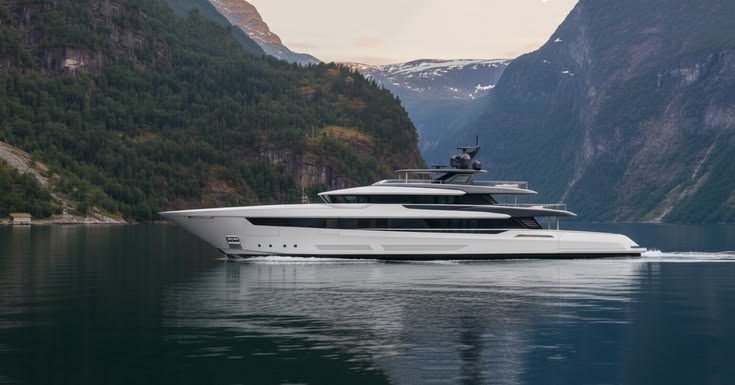
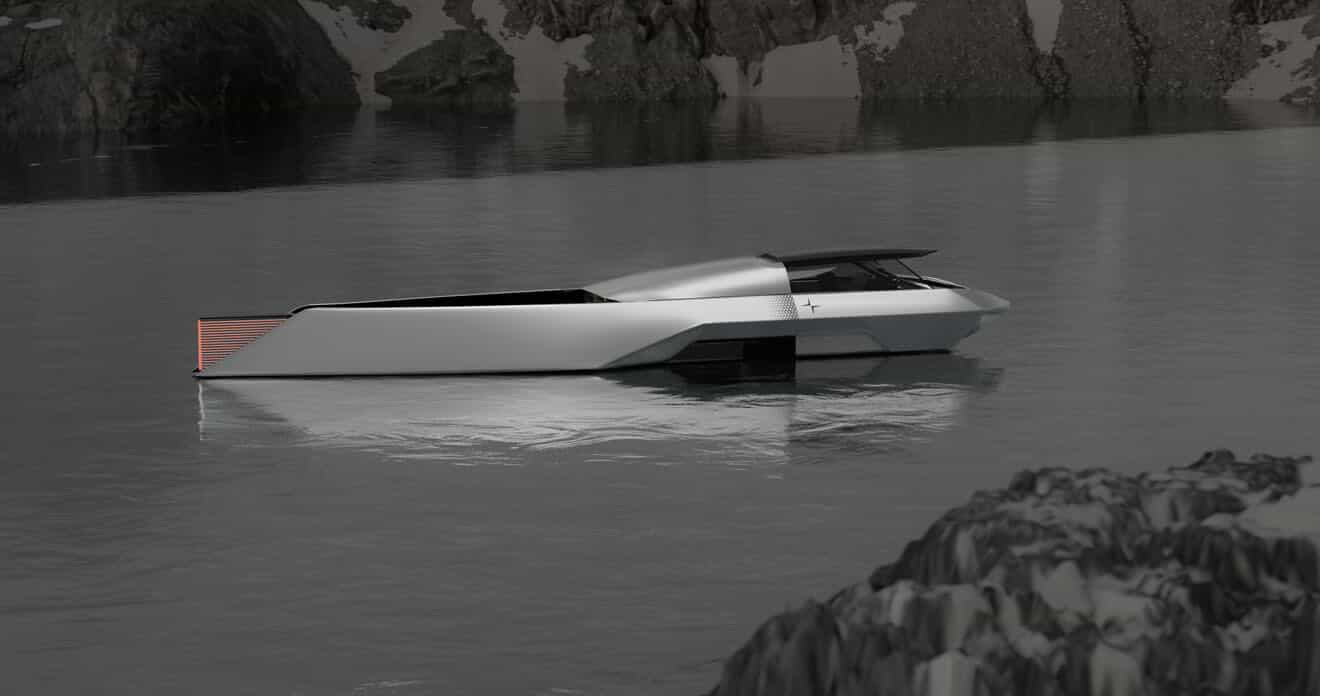
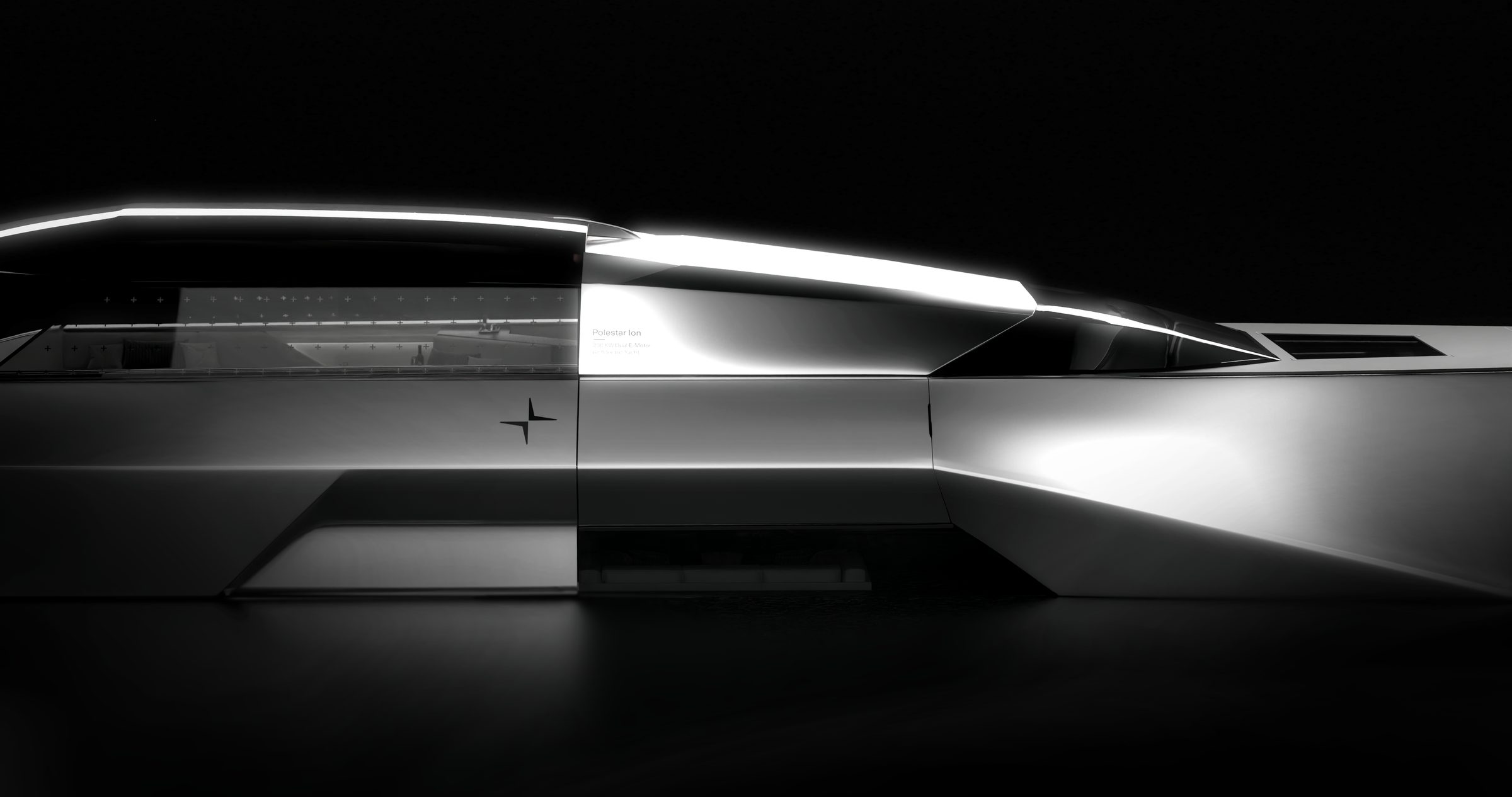
Polestar Ion — calm ocean, side profile
— 01 · Side profile · calm ocean · establishing shot
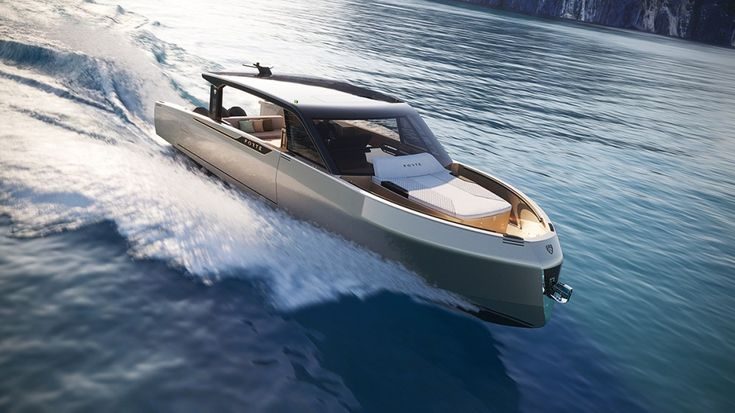
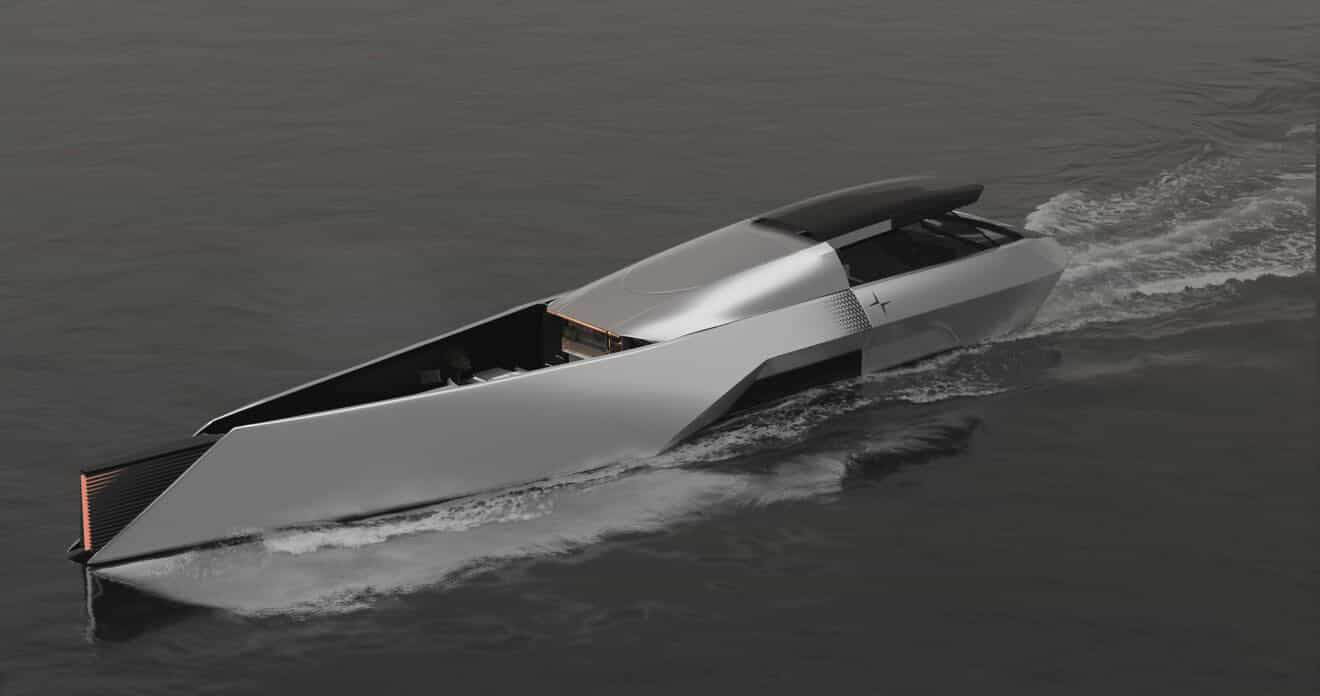
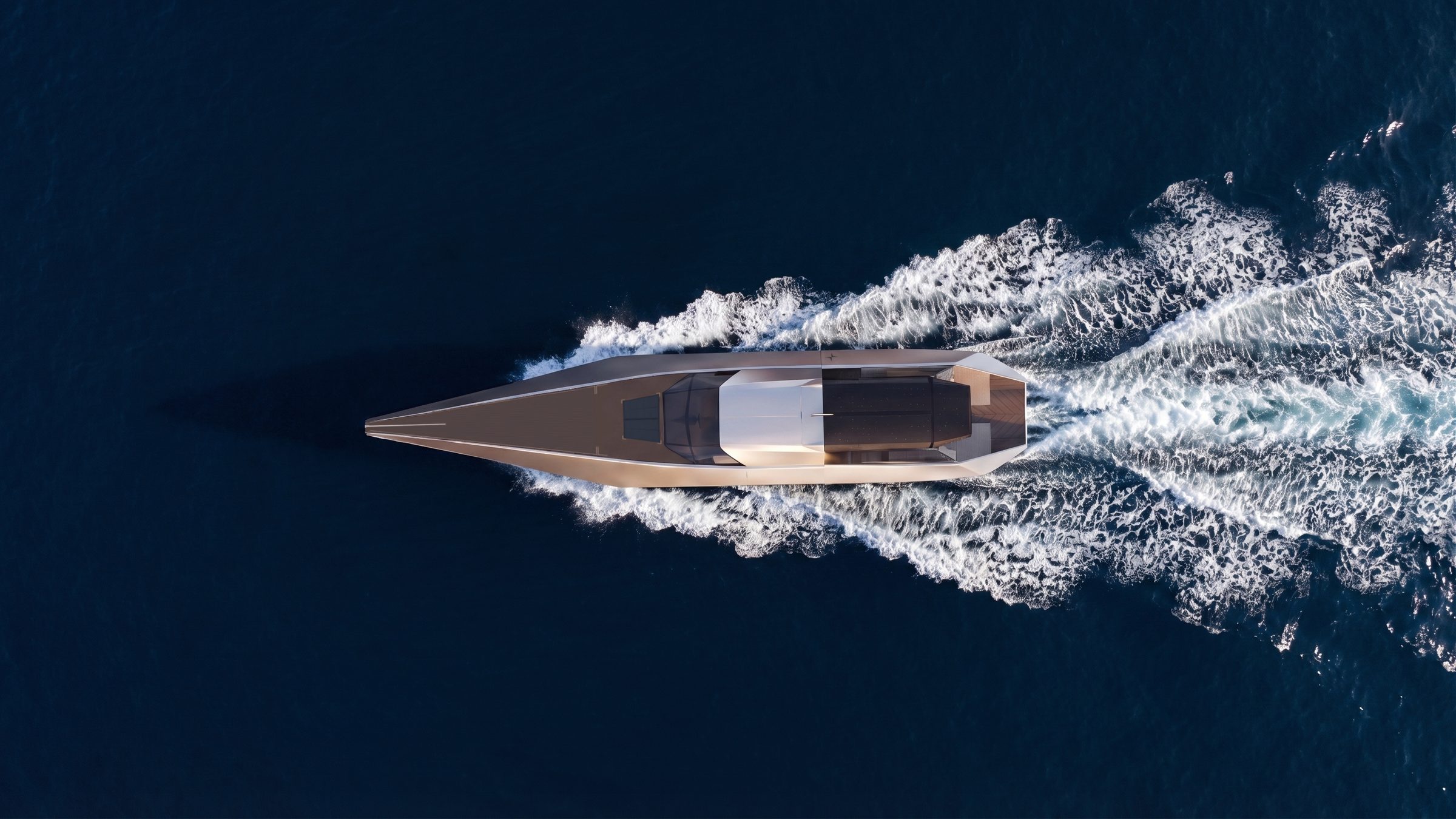
Top-down at speed
— Top-down at speed · wake · scale in context
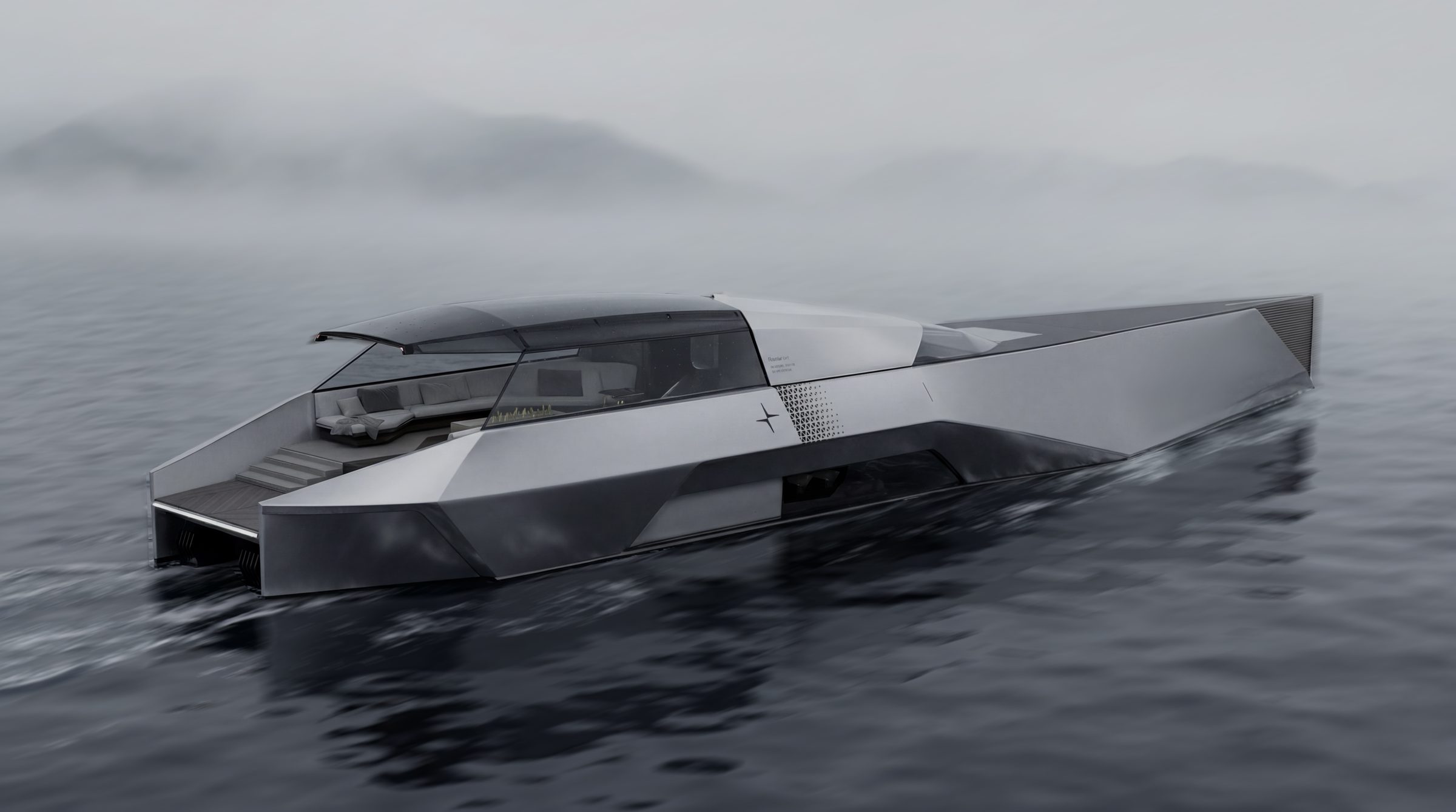
Three-quarter front in fog
— Three-quarter front · Studio render · fog
Polestar Ion with Polestar O₂ concept
— Brand synergy · with the Polestar O₂ concept
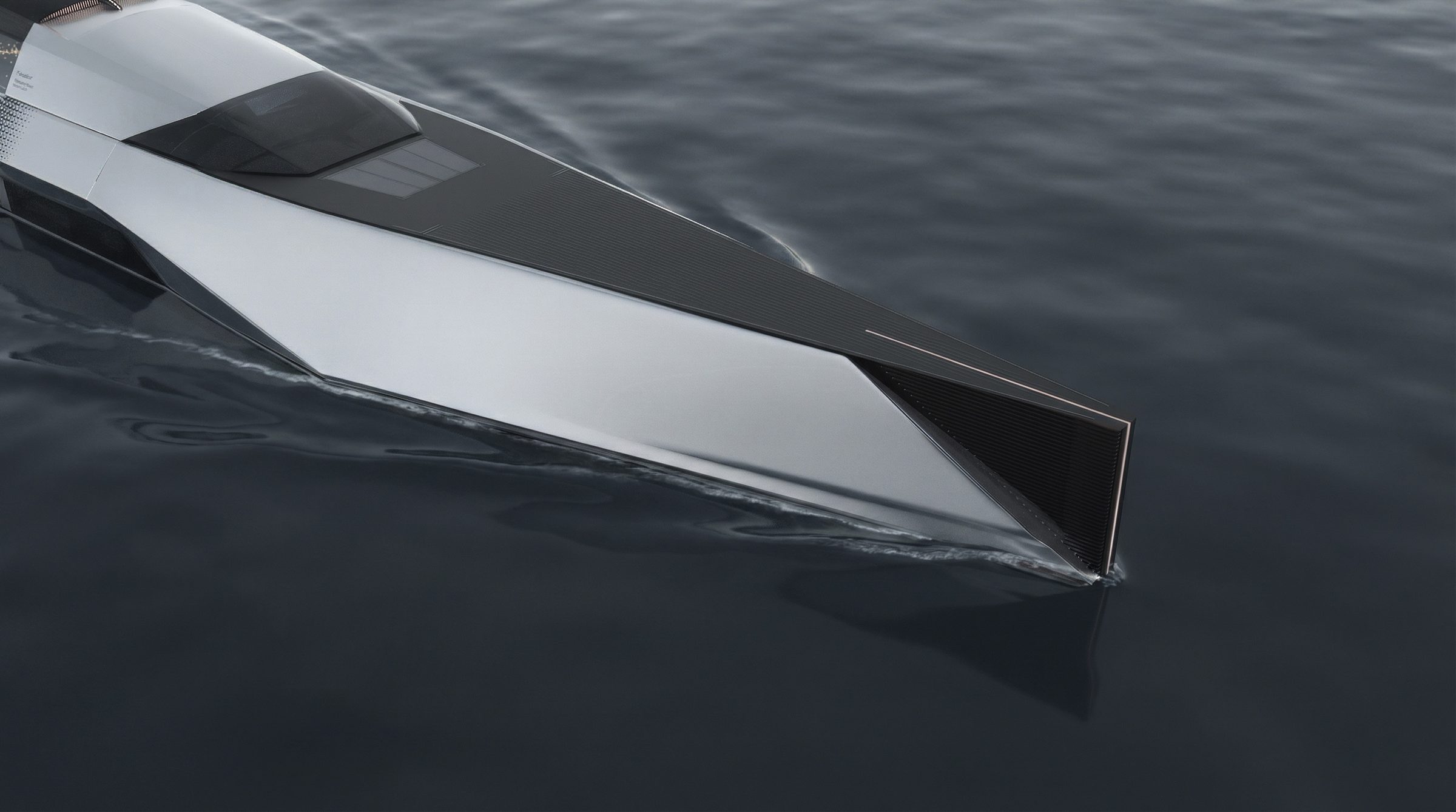
Bow cutting through calm water
— 02 · Bow profile · water interaction · 2700K sunrise
07 · Surfacing

Surfaces that resolve, not perform.

Night-lit side profile — continuous light signature
— Continuous light signature · side elevation · dark studio
— Surface study · detail orbit
— Surface study · top orbit
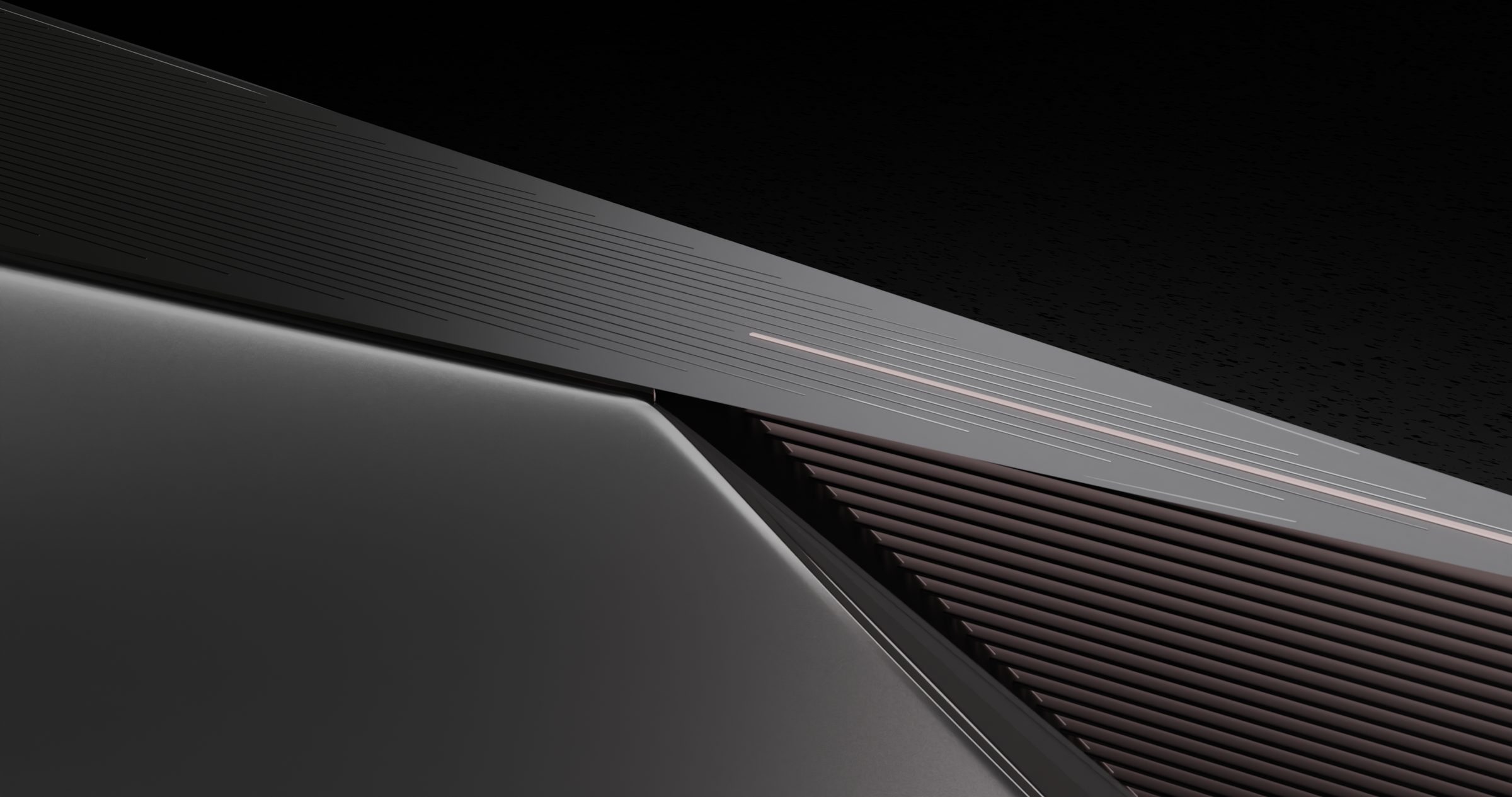
Bow geometry detail — brushed aluminum and dark panel transition
— Bow geometry · material transition · brushed aluminum + dark panel
08 · Architecture

Package & proportion.

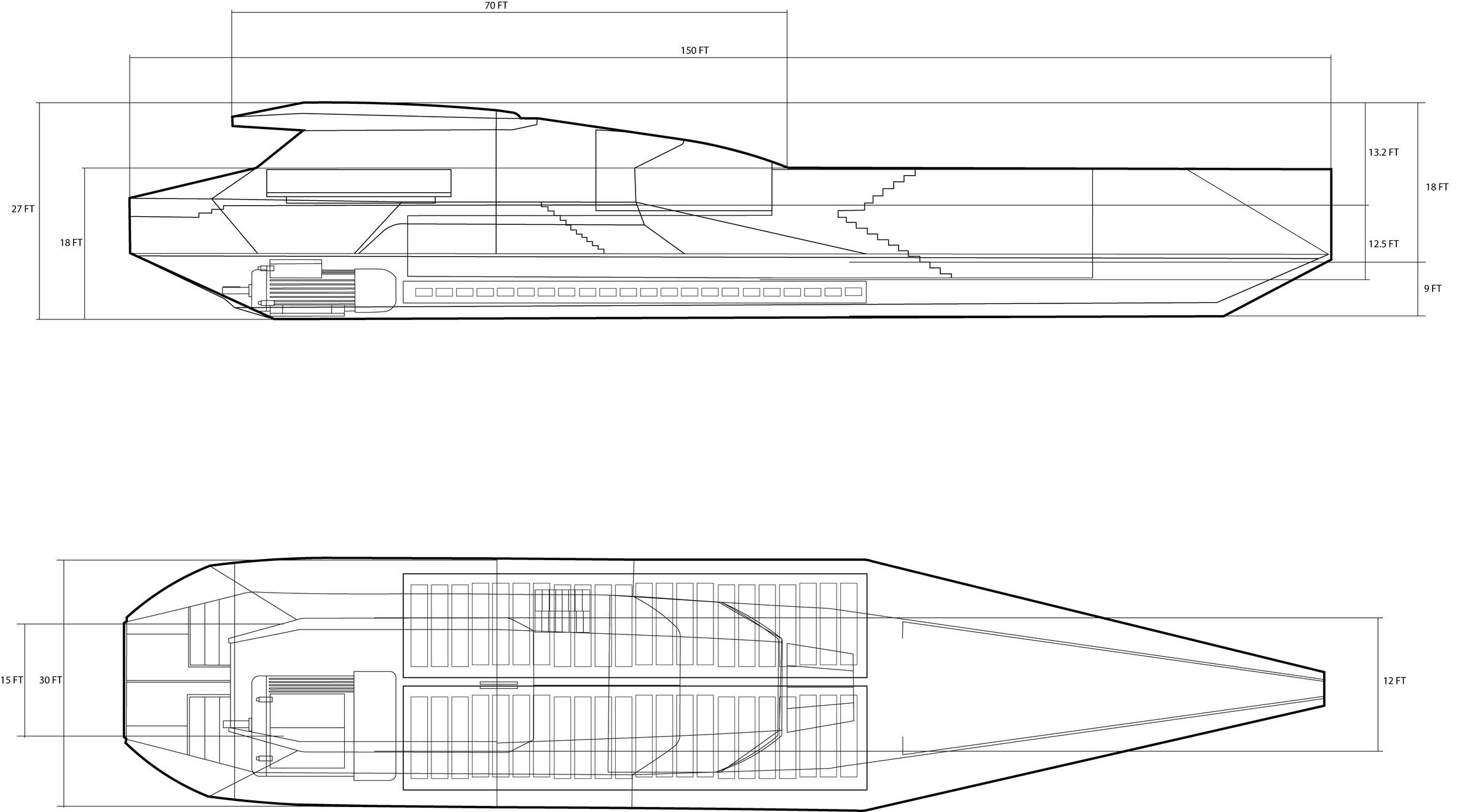
— Principal dimensions · Polestar Ion
Length Overall (LOA)
150 ft · 45.7 m
Beam (Maximum)
30 ft · 9.1 m
Air Draft
27 ft · 8.2 m
Superstructure Length
70 ft · 21.3 m
Bridge Height
18 ft · 5.5 m
Hull Depth
9 ft · 2.7 m
— Profile plan · Plan view · Dimensions in ft
Line work — profile plan + plan view with dimensions
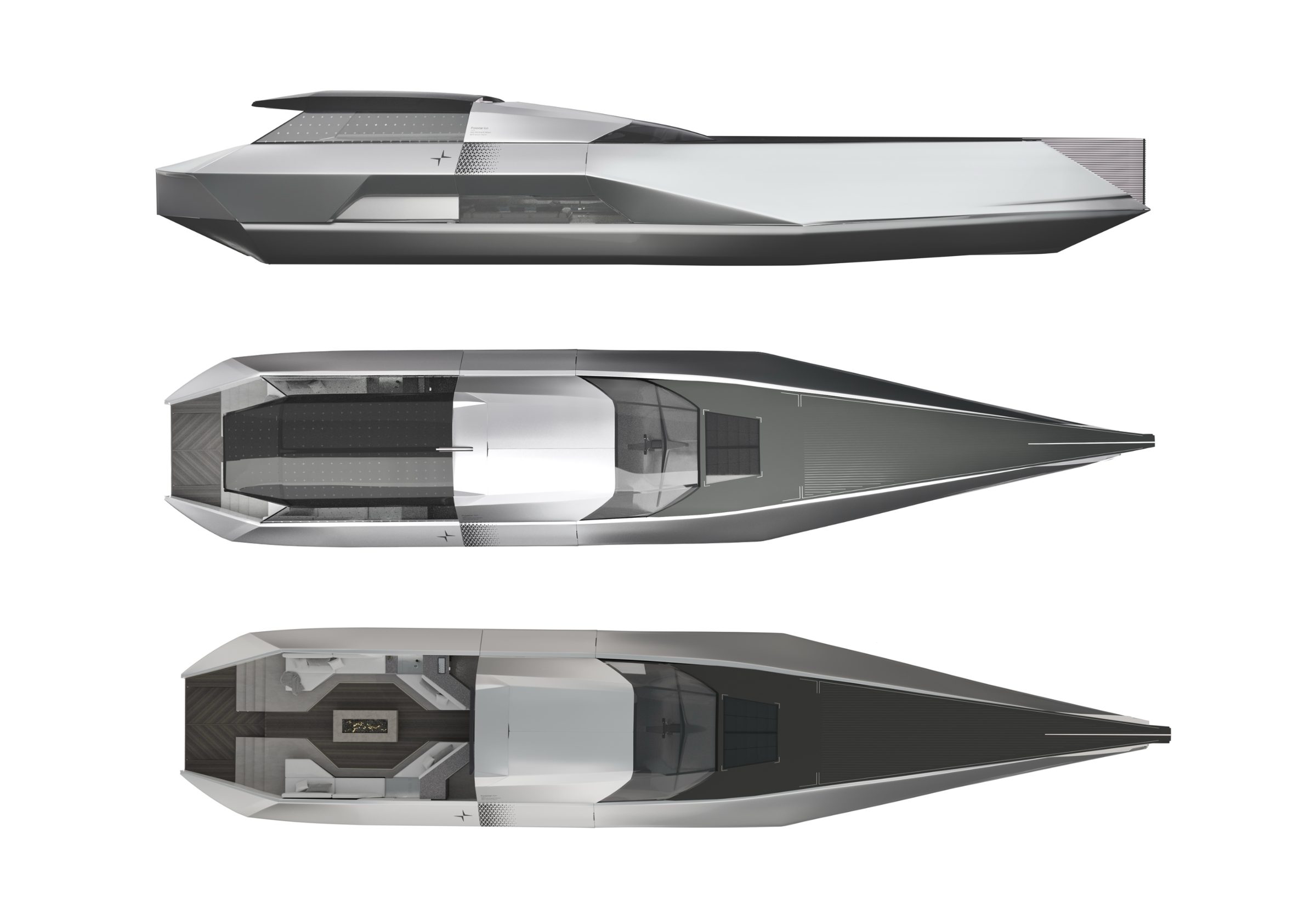
Orthographic render — side profile, top view, main deck view
— 01 · Side profile

Continuous hull-to-deck blend. Linear light signature runs unbroken across the silhouette; solar glass canopy meets the hull as one surface.

— 02 · Top view

Spatial program laid out bow-to-stern. The photovoltaic panel geometry defines the upper-deck plan; access hatches sit flush within the deck grain.

— 03 · Main deck

A single hearth centers the social core. Integrated lounge, bar, and storage read as extensions of the hull rather than furniture placed on it.

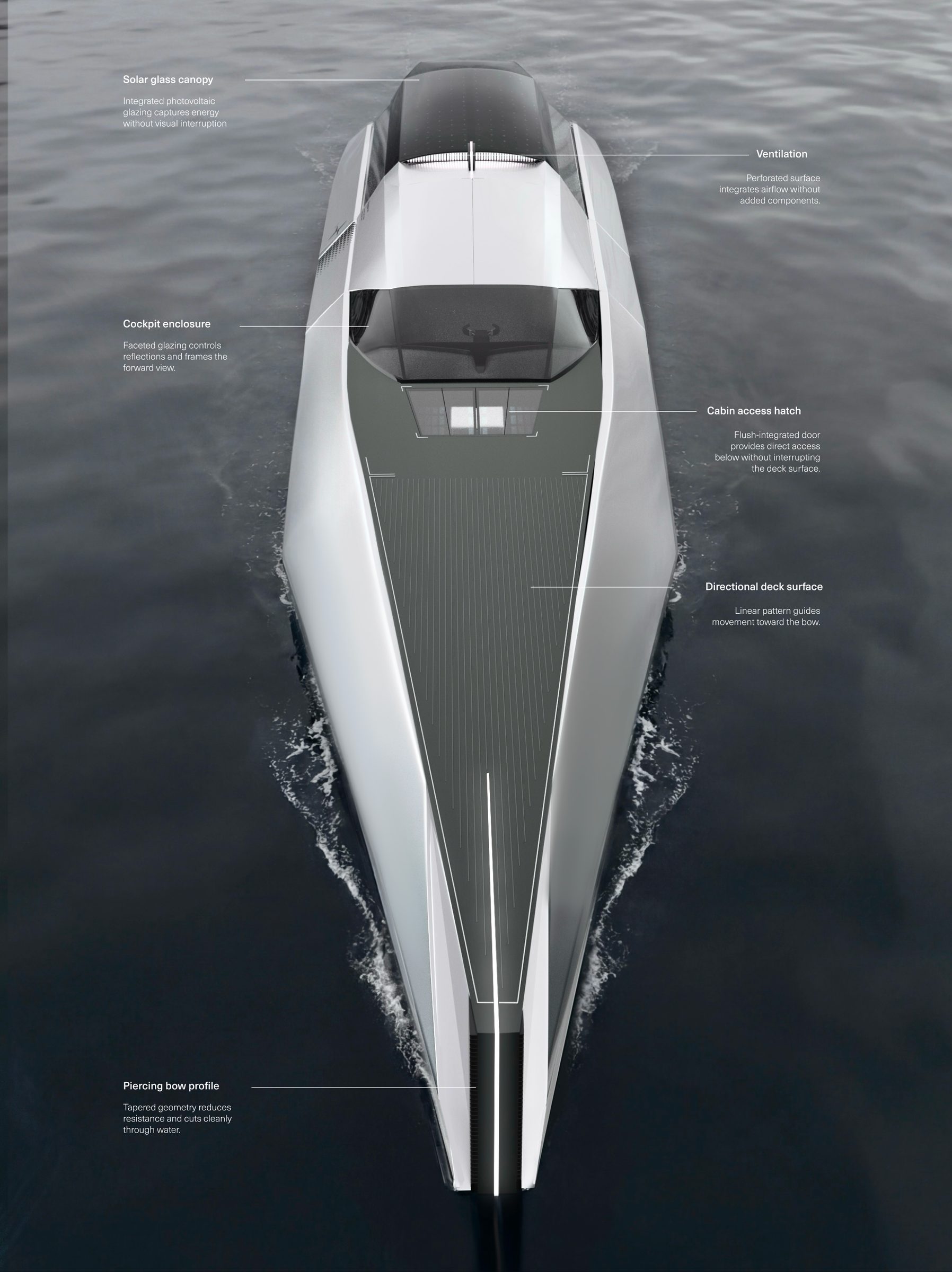
Annotated bow — solar canopy, ventilation, cockpit, access hatch, bow profile, deck surface
— Integrated systems · bow detail · solar · ventilation · access
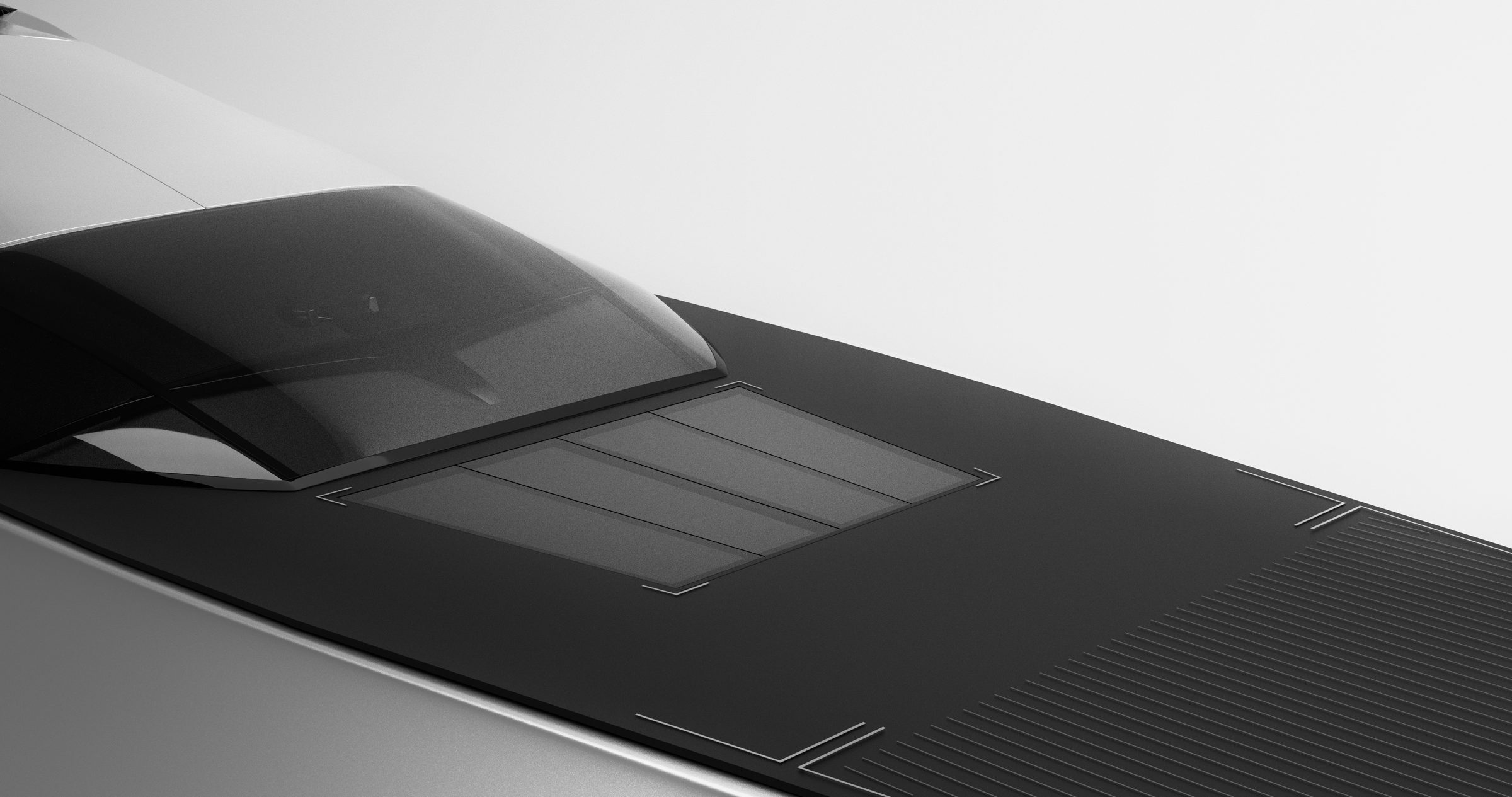
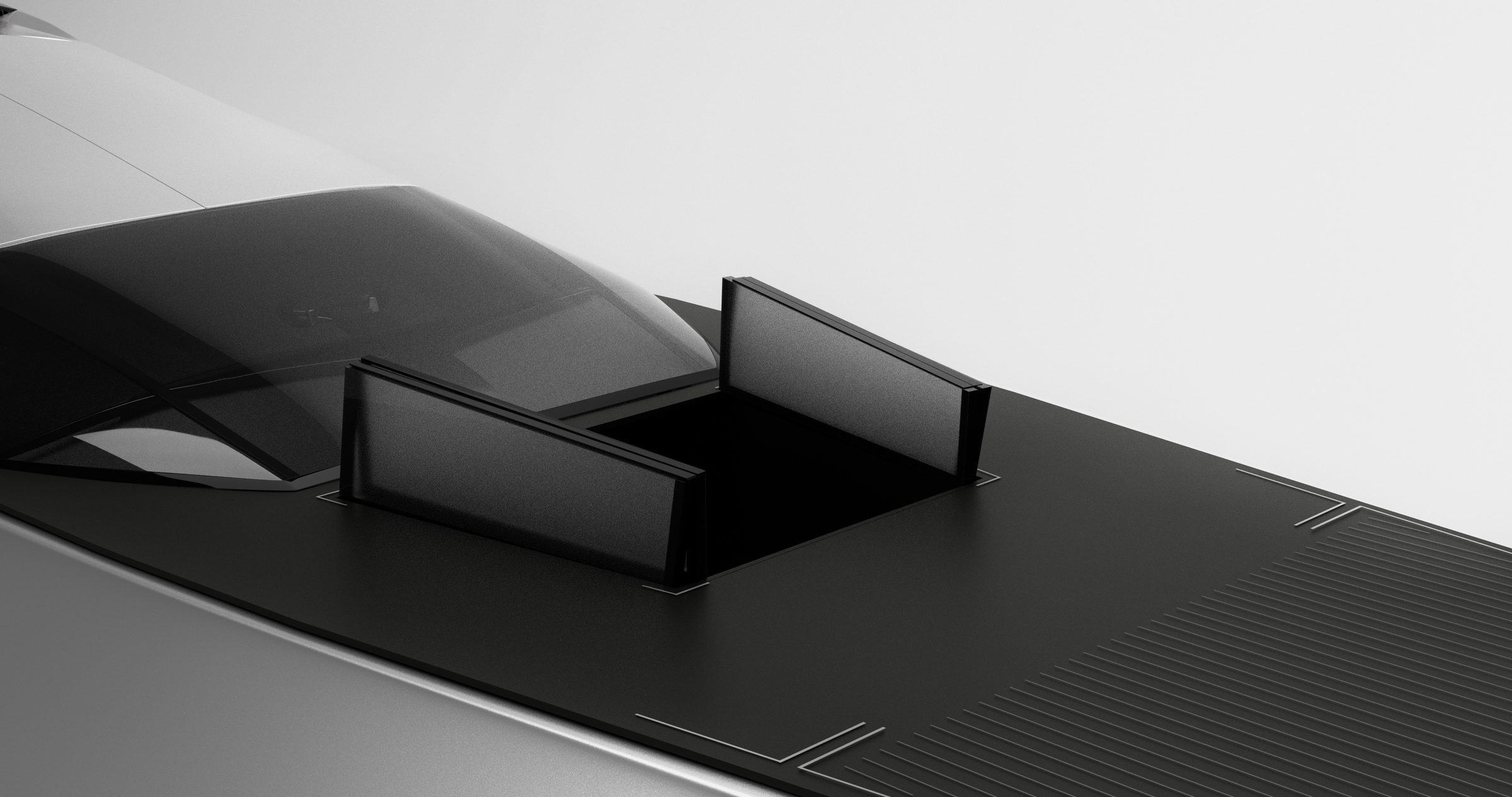
Flush deck — door closed, subtle cut lines Deck door raised — cabin access revealed
Hover to reveal access
— Integrated hatch · flush deck surface · hover to reveal
09 · CMF

Calm materials, doing quiet work.

Most yachts default to glossy teak and chrome — Ion doesn't. Six core materials run across the whole boat: terrazzo, bead-blasted aluminum, grey-oak veneer, wool, nappa leather, and solar glass. An architectural vocabulary, not a marine one.
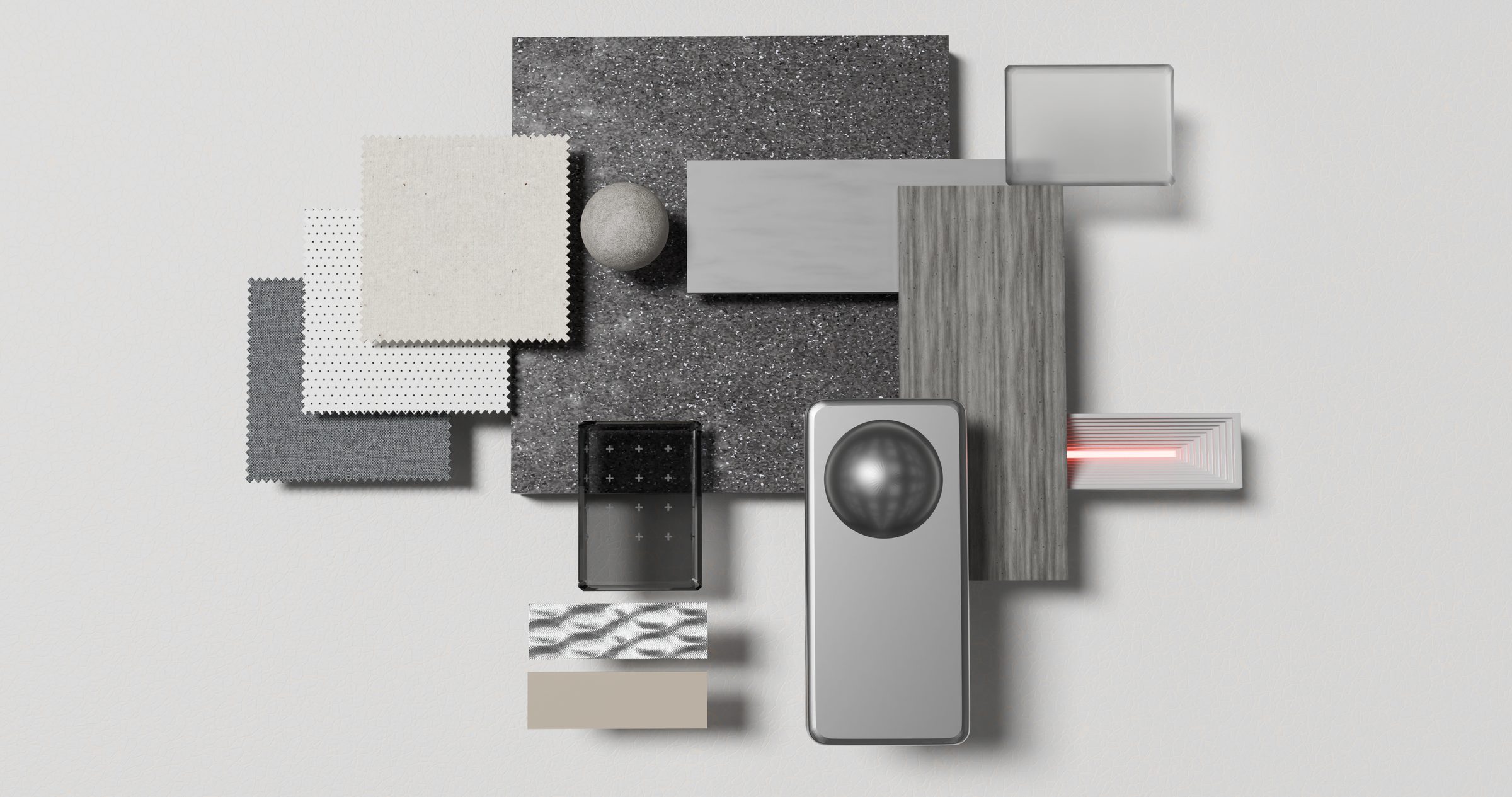
CMF material board — hover regions
◉ Hover · material names
— Hover materials to reveal names
Palette · core 06 Extracted from render
01Ivory#E5E2D9
02Stone#C9C5BA
03Alloy#A7ADB4
04Teak#7D6B56
05Deep Glass#1F2A38
06Anthracite#26282C
If the exterior is the statement, the interior has to be the relief.
— Design note on material choice
10 · Interior

An architecture at sea.

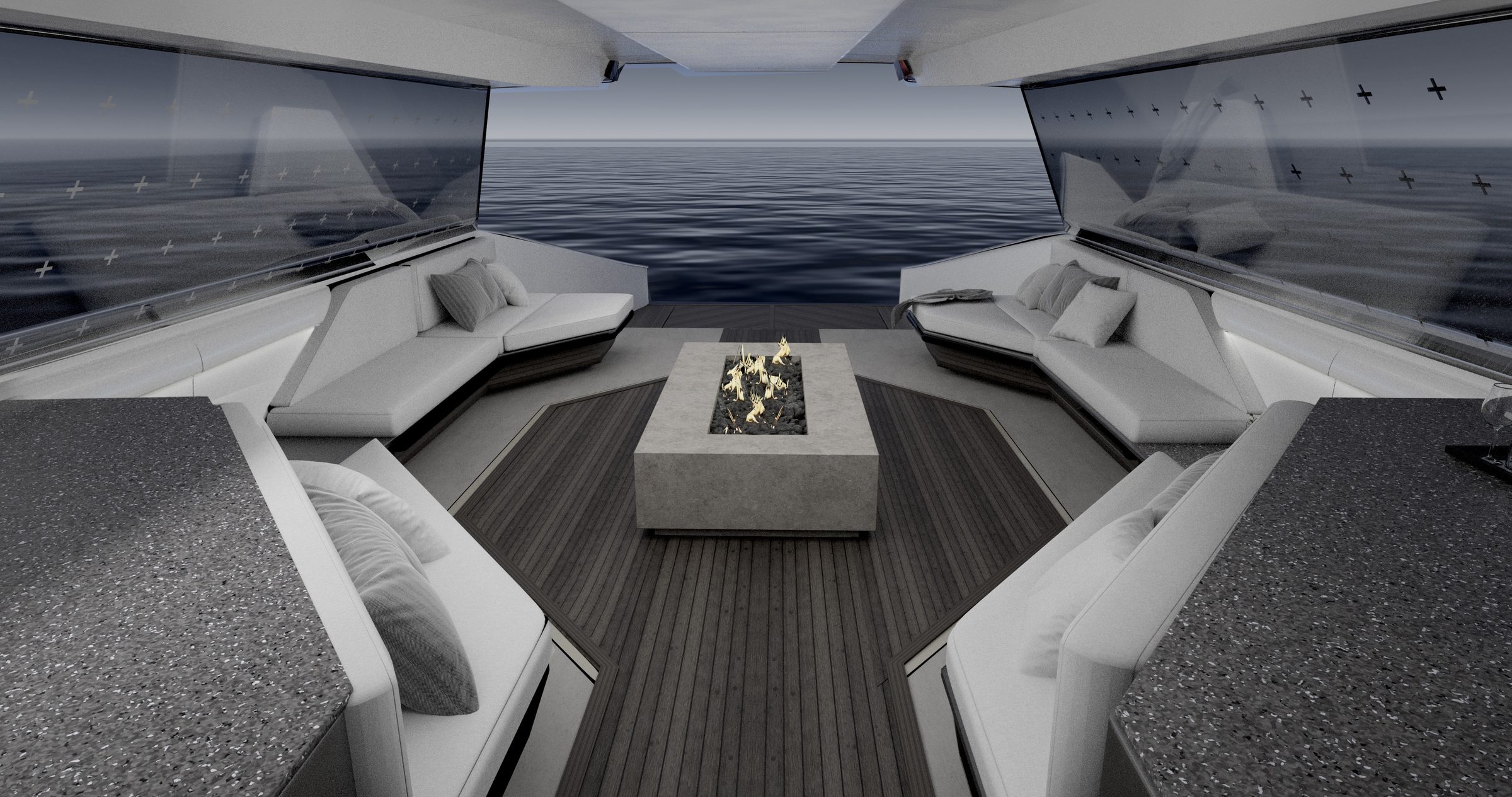
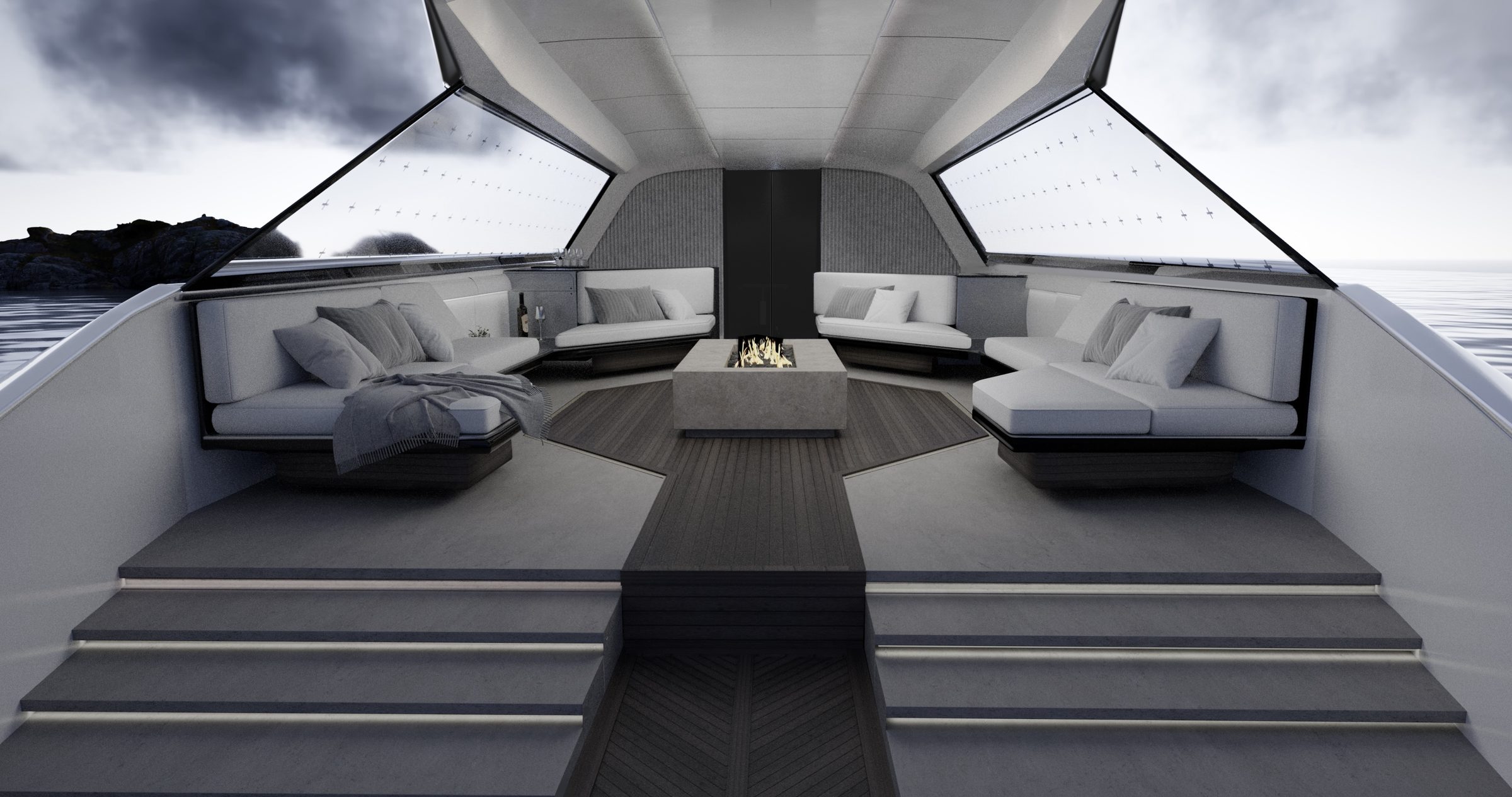
Symmetric central view of the lounge
— 01 · Symmetric central view
Dwelling view — hearth at center
— 02 · Hearth at center · dwelling perspective
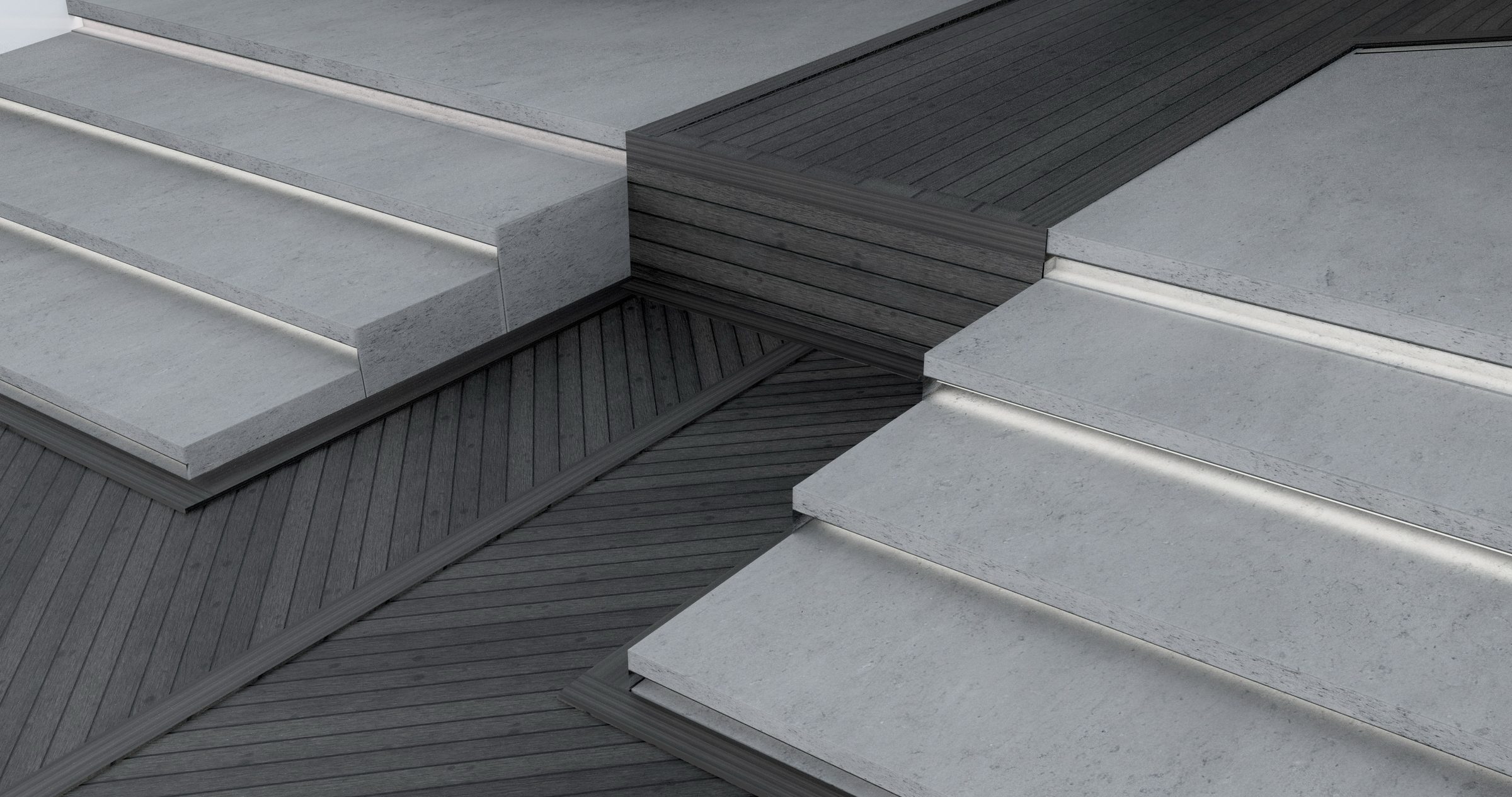
Stair detail — material transition + step lighting
— Stair detail
Material transition · step lighting.

Concrete to oak to brushed aluminum, with warm LED tucked under each tread — the descent reads as one choreographed moment rather than an assembly of parts.
Straight-on view of the lounge
— Sightline
Hearth as the visual anchor.

A central corridor runs bow to stern, terminated by the fire. The twin lounges frame the sightline without interrupting it — every seat points at the same still center.

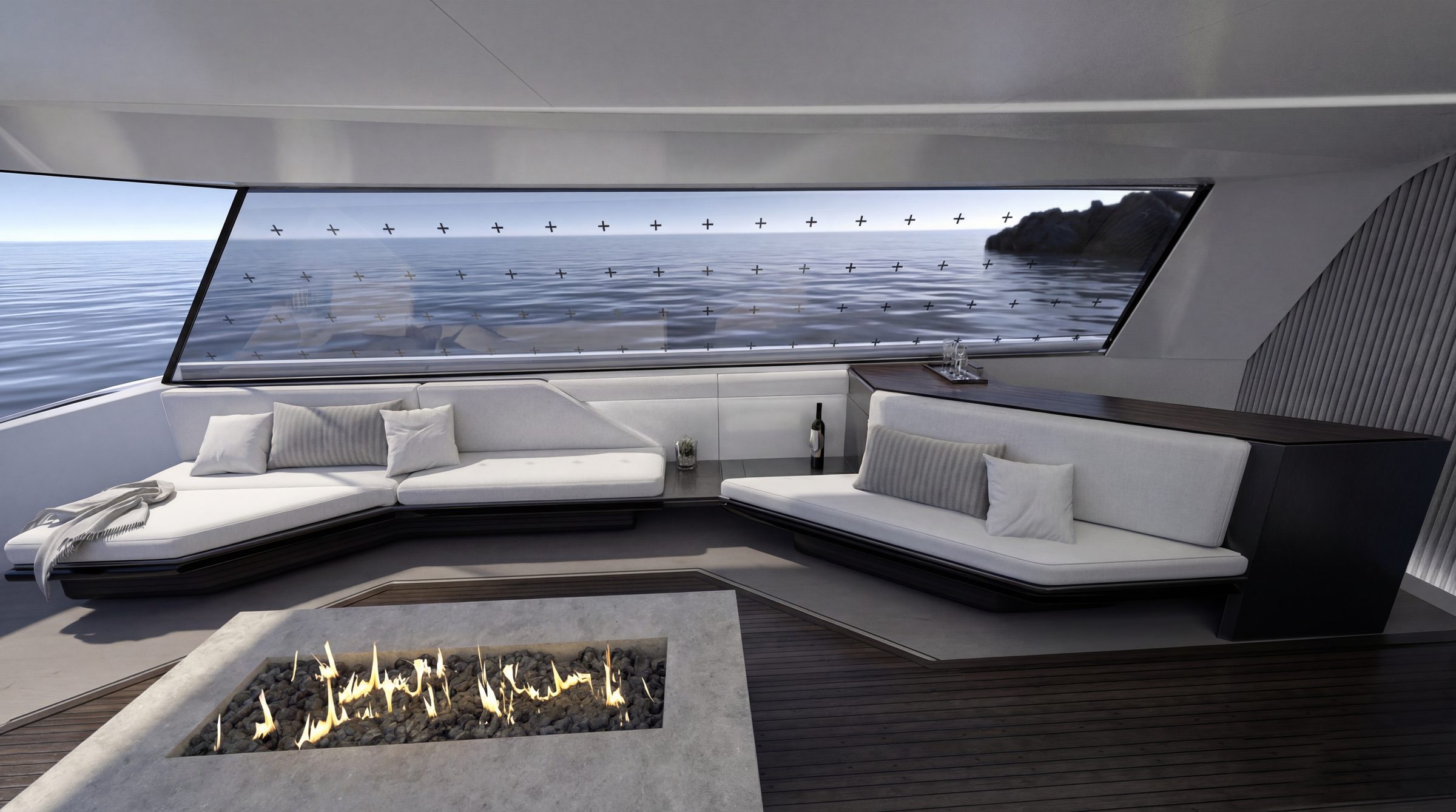
The integrated lounge at rest

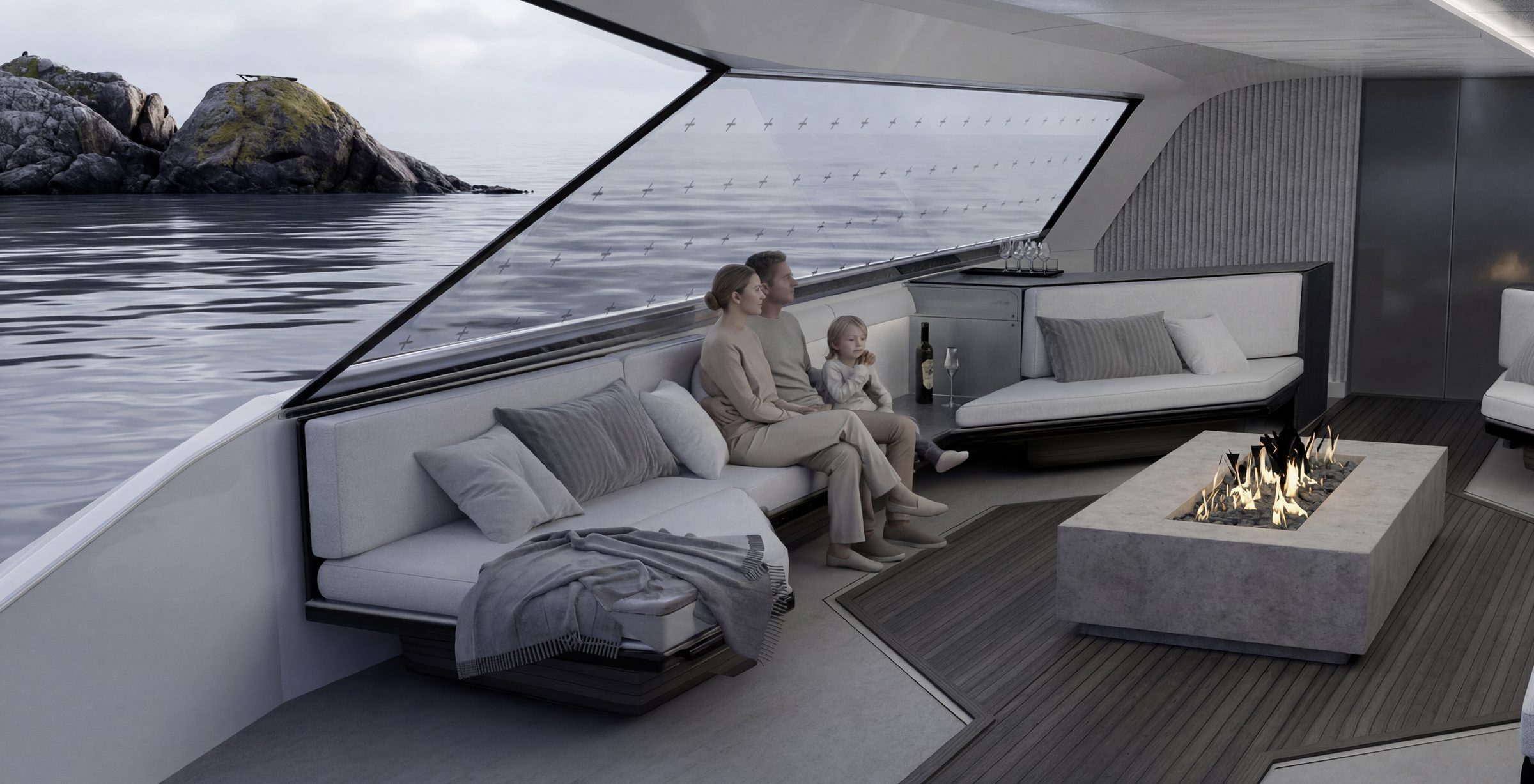
Built for a few close people, not a crowd. Sofa, table, storage, and hearth integrate into the hull — one continuous room that flexes from a quiet morning to a family evening.
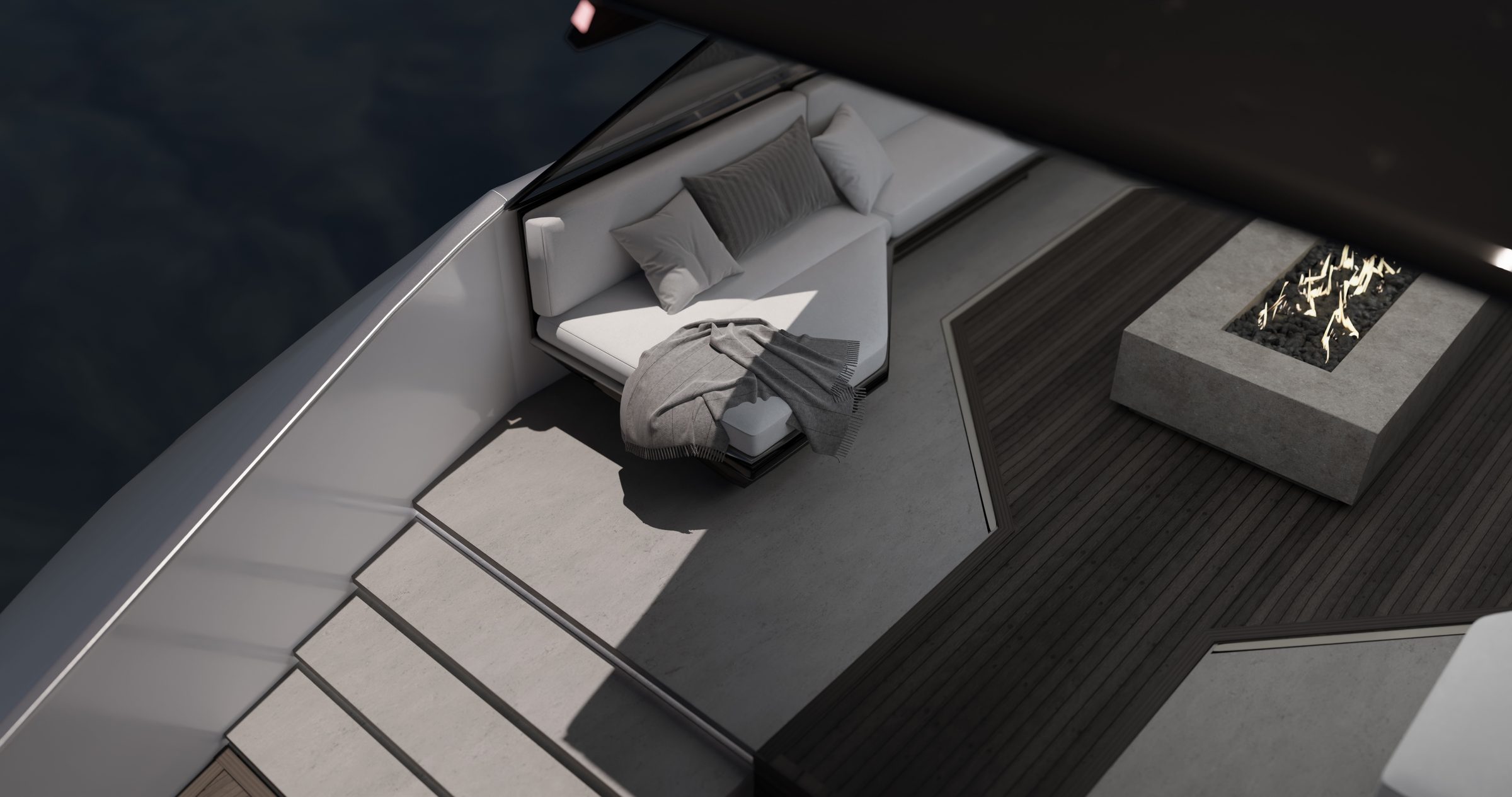
Lounge at dusk — from the central stair
— 05 · Lounge at dusk · from the central stair
11 · Furniture

One integrated system.

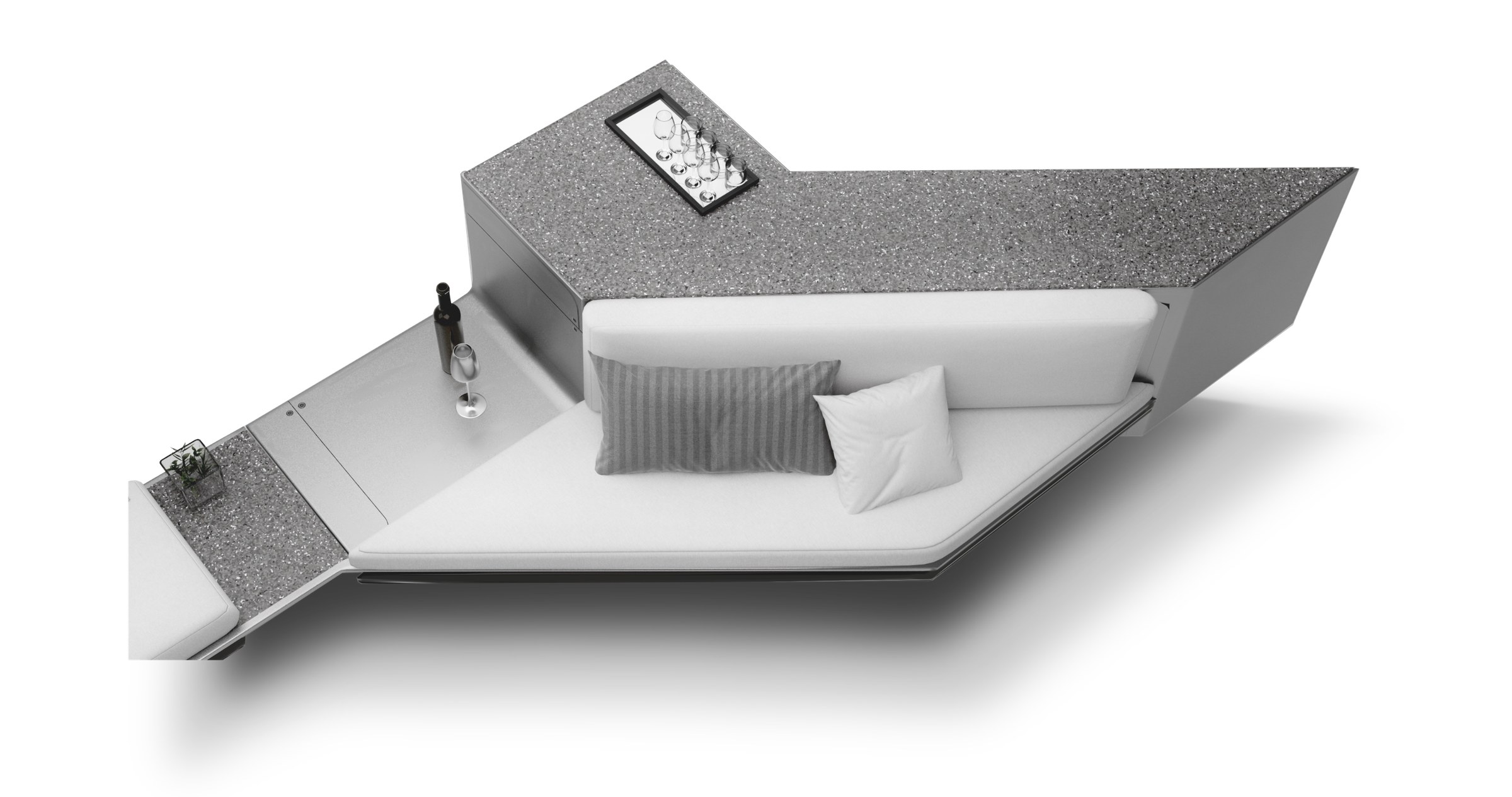
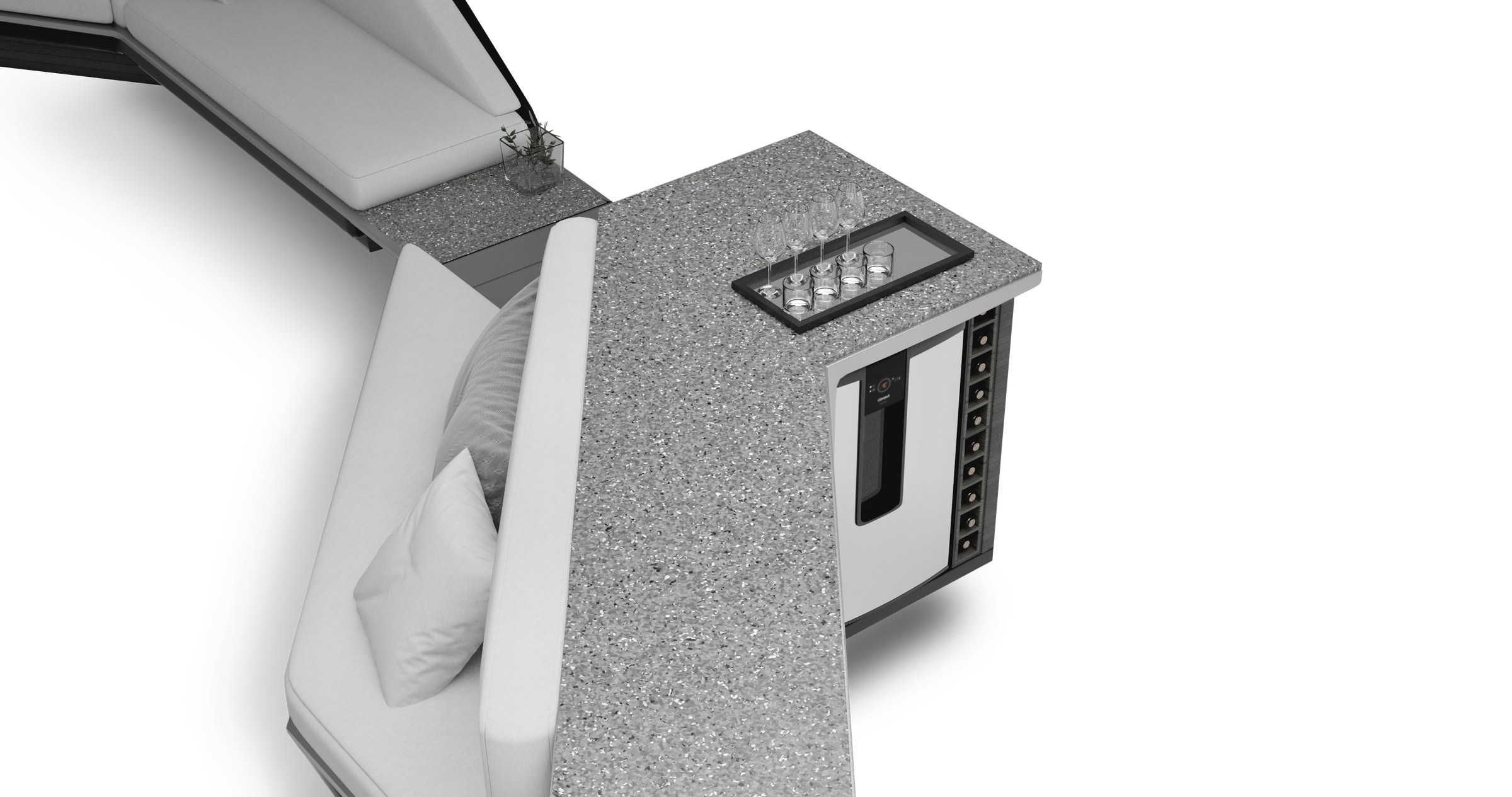
What would normally be five pieces — two sofas, a low coffee table, a bar table, a hidden mini-fridge — resolved into a single structural volume built into the hull. Modular, transformable, and proportioned to the room rather than placed in it.
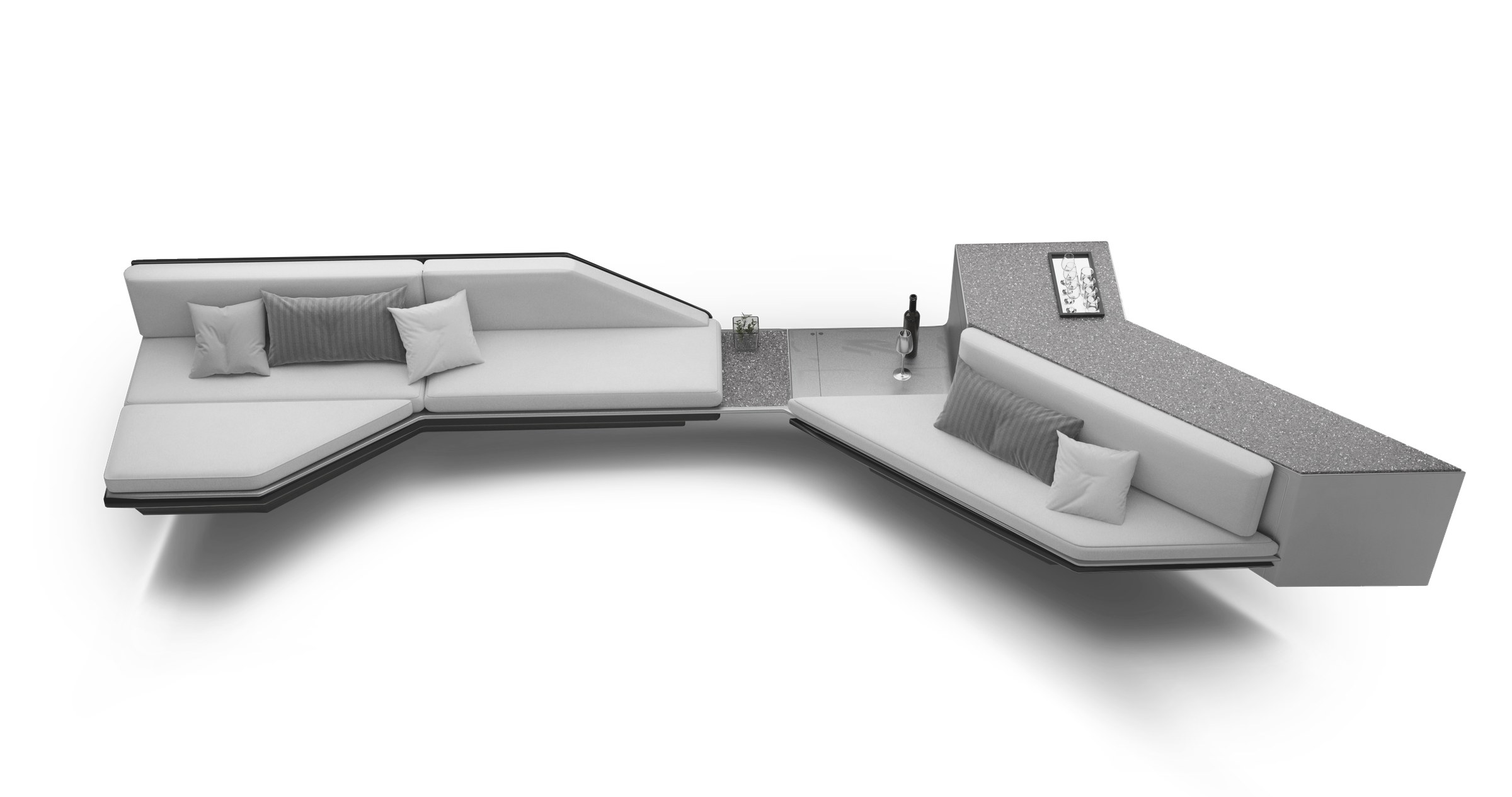
Integrated lounge system — full top-down view
— Two sofas · coffee table · bar table · concealed mini-fridge · one continuous piece.
Details · 01 / 02 Integrated bar · concealed storage · terrazzo + stone
Bar closeup — concealed mini-fridge and wine rack
— 01 Concealed bar A push-latch panel hides the mini-fridge and a horizontal wine rack. The brushed-aluminum interior and its warm light only appear once the panel is open.
Bar-table top — terrazzo with integrated planter and glassware well
— 02 Bar-table top Terrazzo surface with an integrated stone planter, a recessed glassware well, and a flush magnetic charge pad. The stone wraps the edge so the piece reads as carved, not assembled.
12 · Night mode

Technology that recedes.

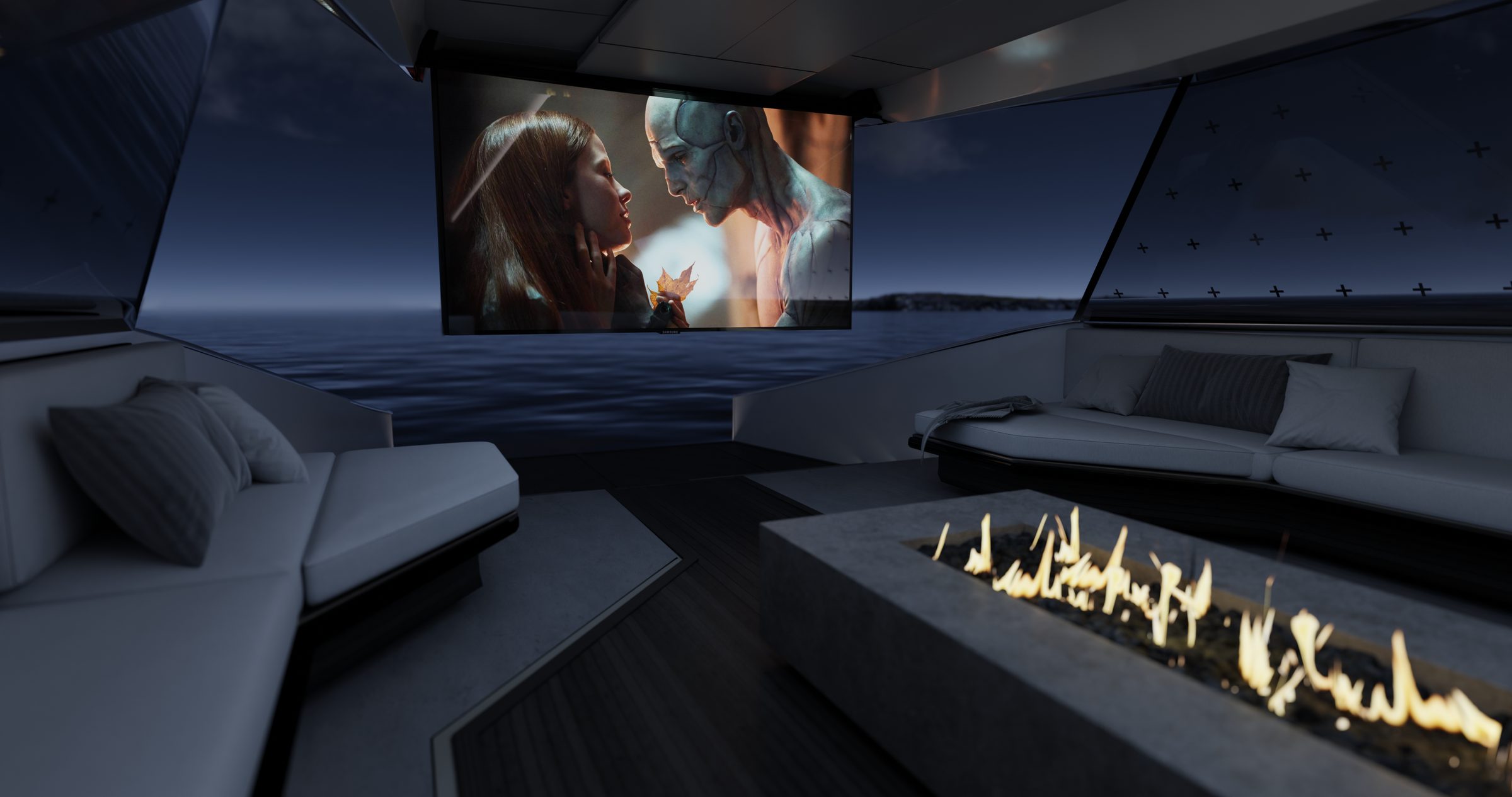
Solar glass collects light during the day. At night the boat lights itself with step LEDs, perimeter strips, and a single hearth — no aggressive yacht floods, no hard blue task light. The room reads as architecture, not an instrument panel.
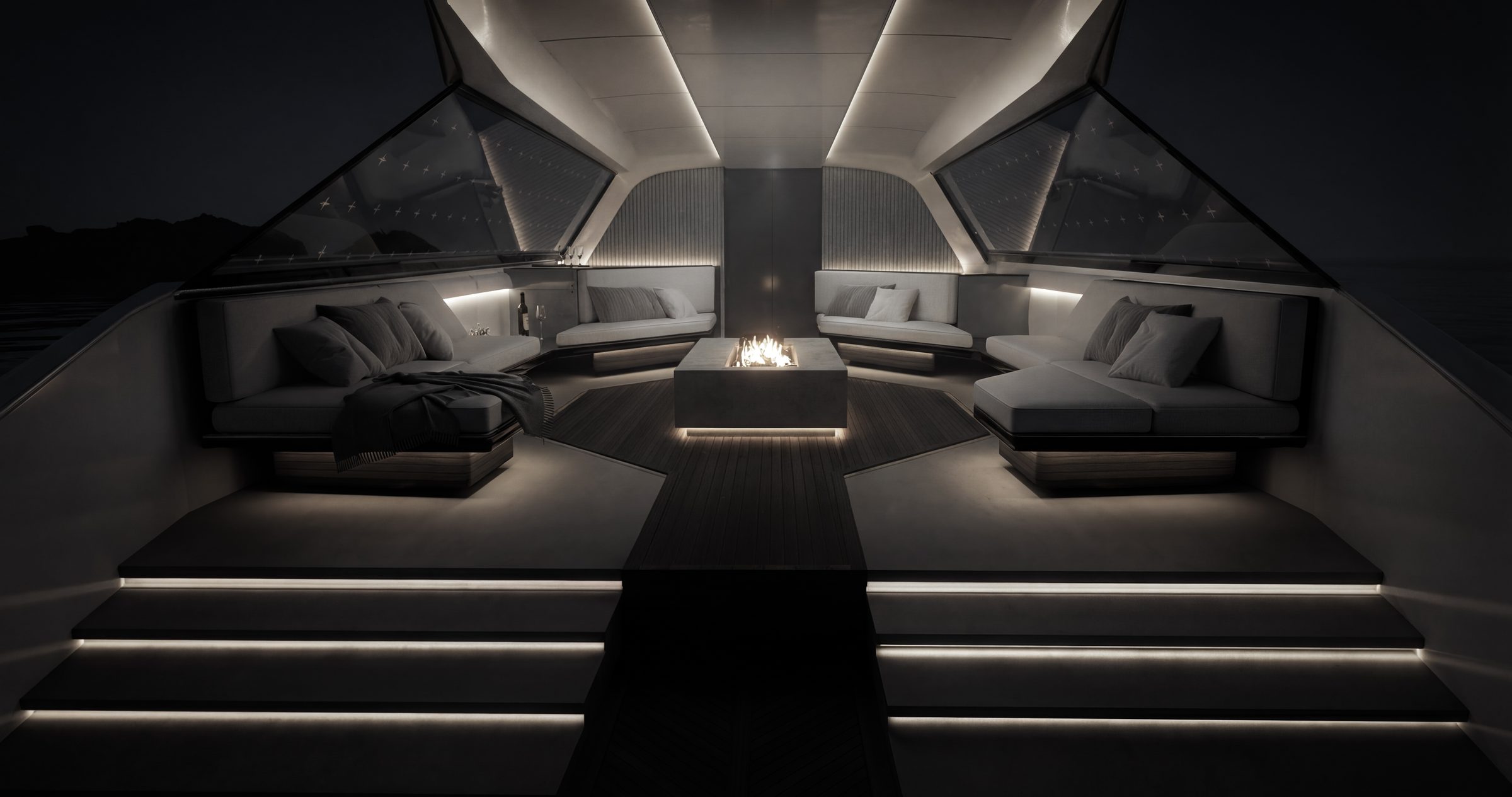
Interior — full view, daylight Interior — full view, night mode ☾ Hover · night mode
— Interior · daylight / hover to activate night mode
Ambient interface · the system

Information, not displays.

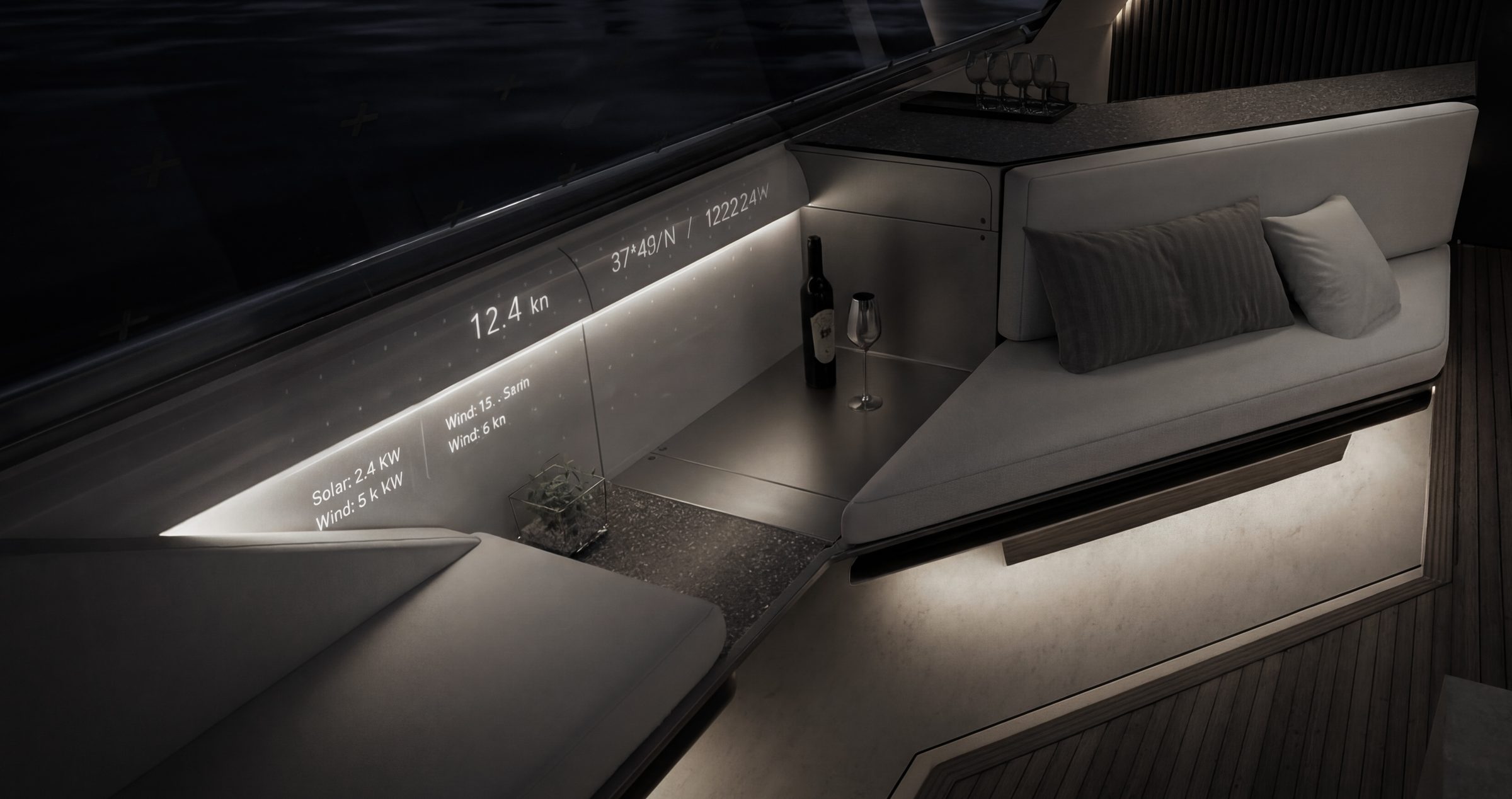
A single ambient system runs the boat. Instead of screens cut into surfaces, navigation, environment, and hull telemetry project onto the stone counter and the wall behind the bar — appearing when you look at them, fading when you don't. The interface exists only while it's being used.
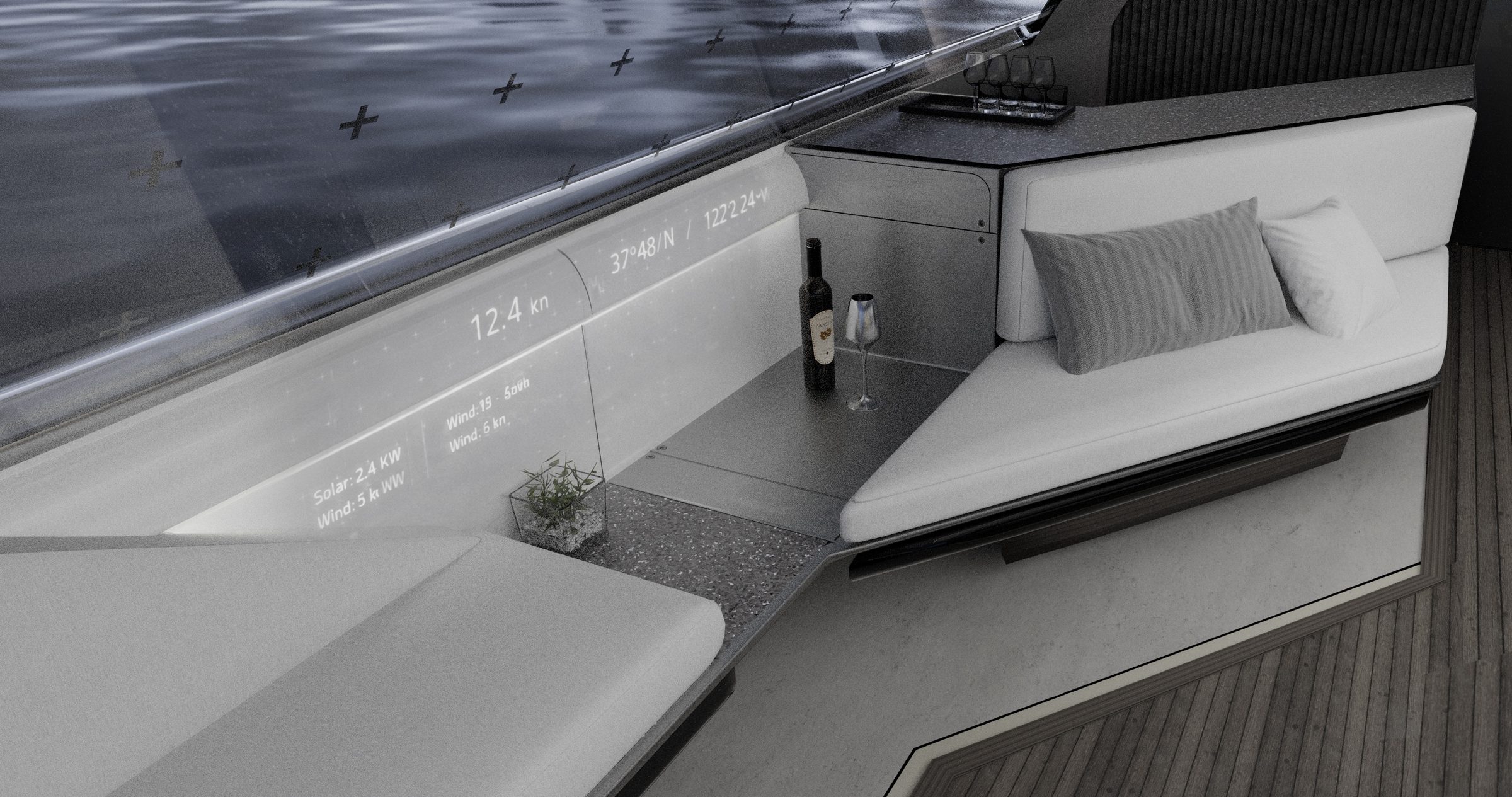
Projected interface — daylight, system idle Projected interface — night, system active ☾ Hover · activate system
— Ambient projection surface · solar · wind · knots · coordinates — hover to activate
Projected interface — close detail of the data display
— Detail · projected data · stone counter
A note on process. This project went through a full reset mid-term. An earlier direction centered on entertainment volume and party-oriented deck space; it was abandoned in favor of the version shown here. Process documentation from that first phase isn't included — it belongs to a different boat. New silhouette iterations for this direction are still underway and will be added.
Most of what's here didn't become the final yacht.
Process sketch 01 — package and proportion
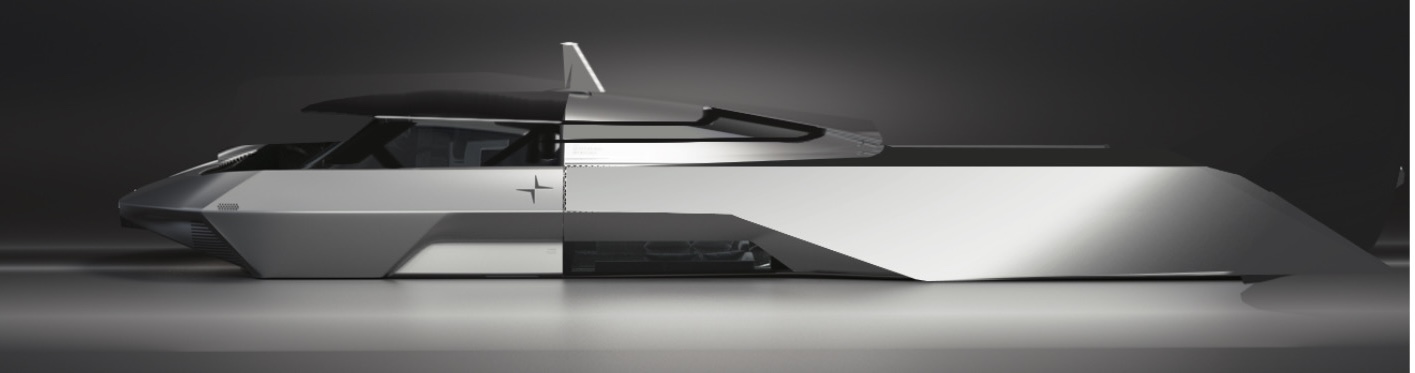
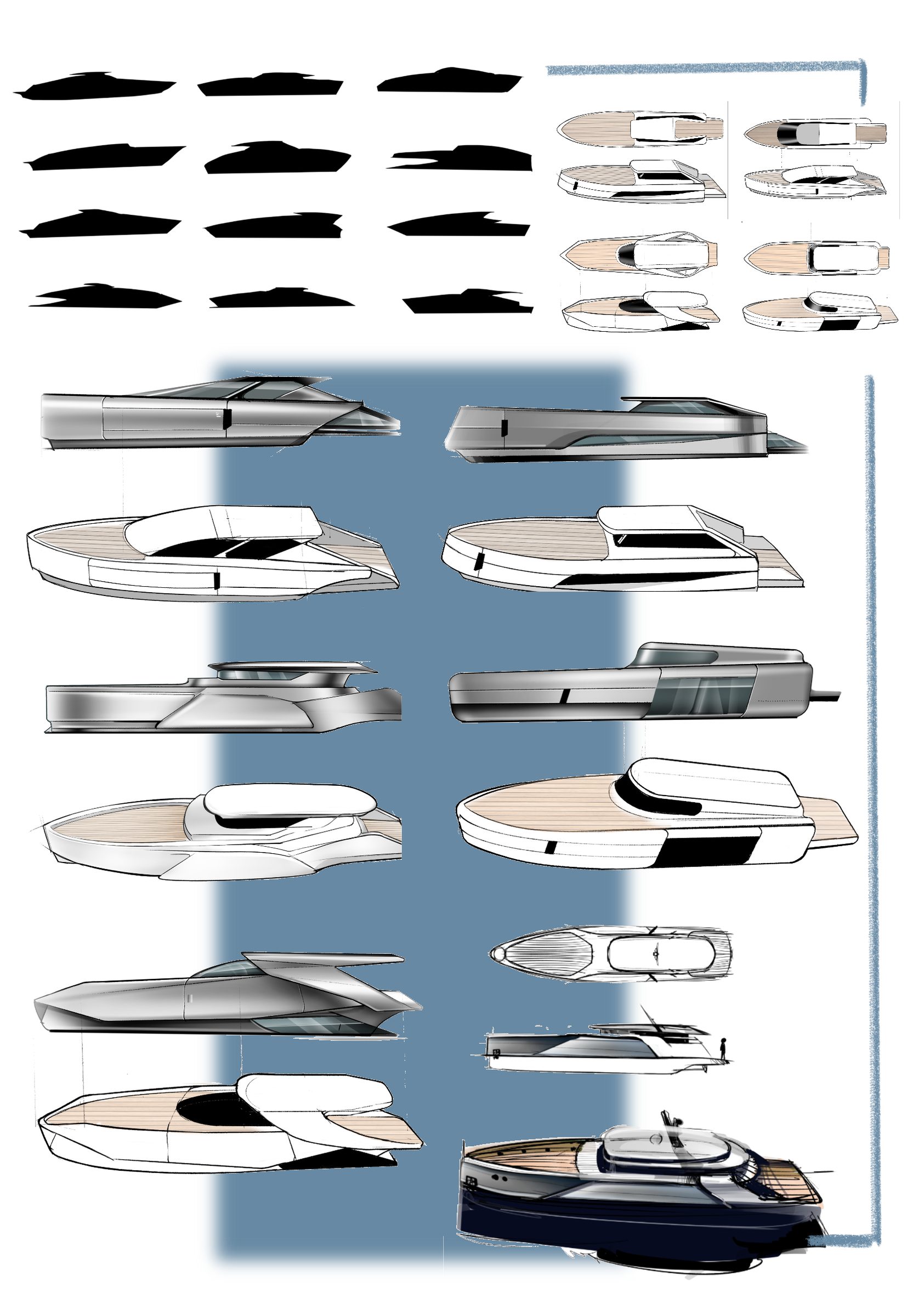
— 01 / Package + proportion Silhouette thumbnails, top-down plans, and perspective views in the same pass — trying to settle interior layout and exterior form at once.
Process sketch 02 — silhouette sprint
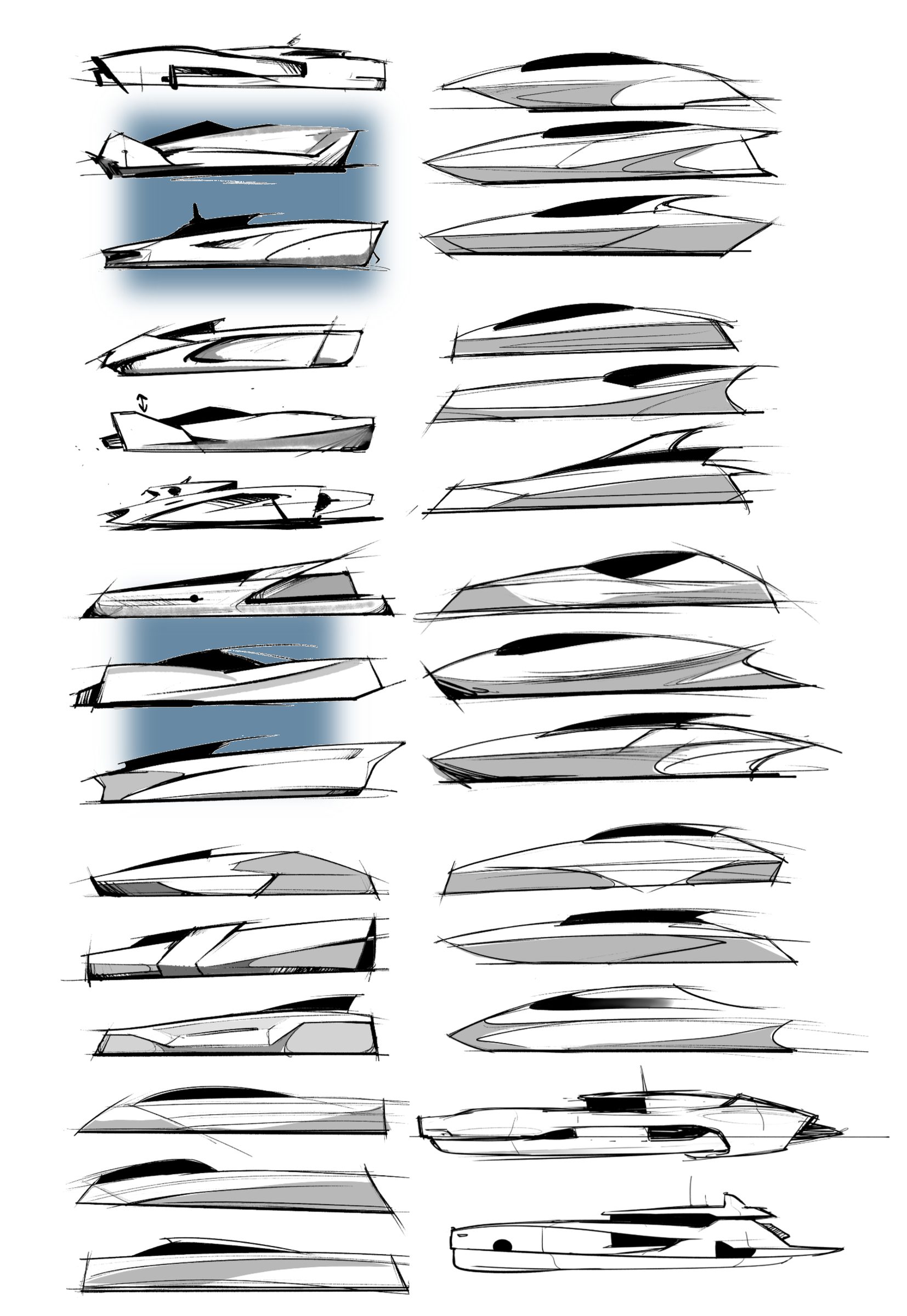
— 02 / Silhouette sprint Twenty-plus side profiles in one sitting. Different cabin positions, bow angles, and stern treatments — mostly to keep from converging too early.
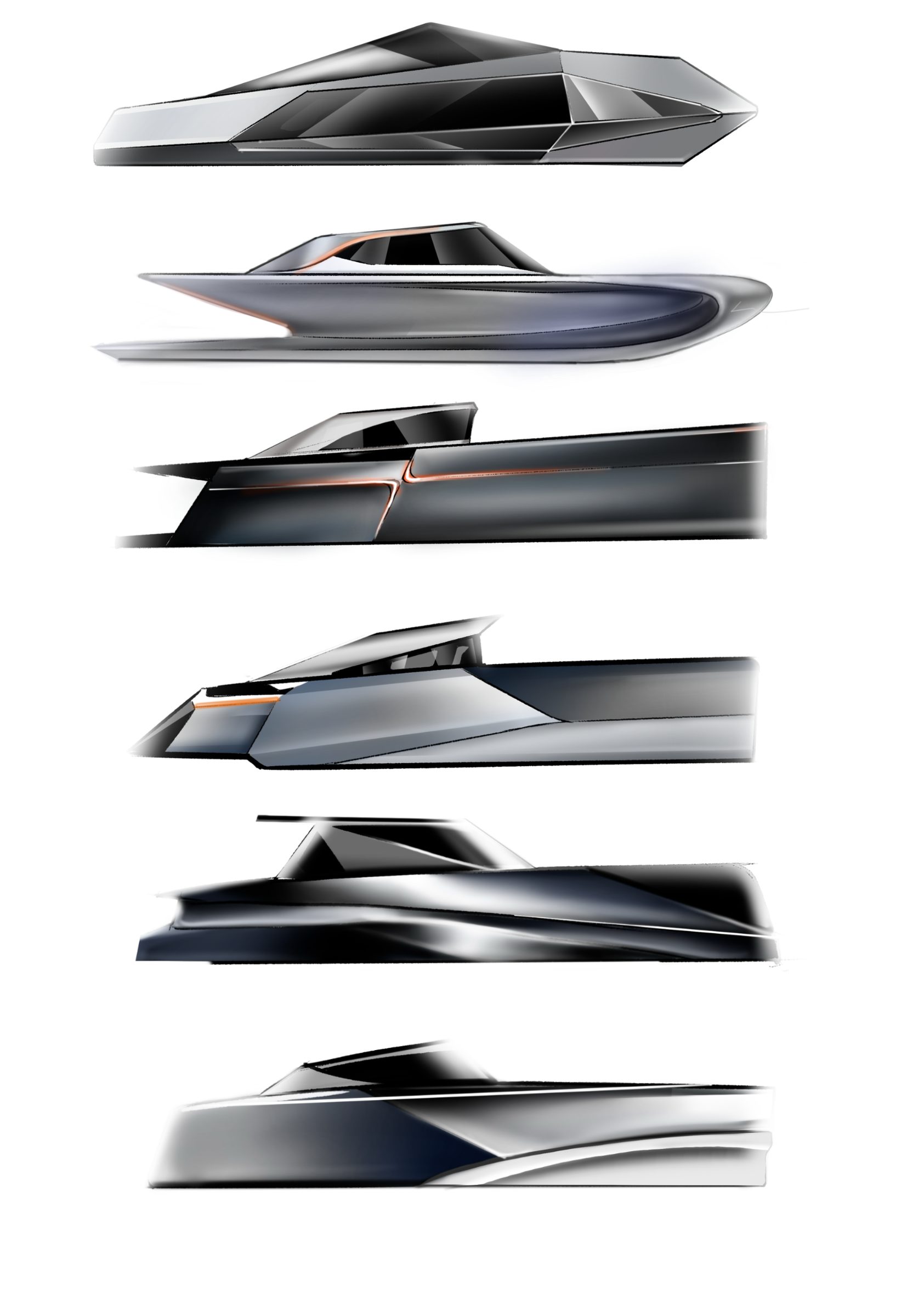
Process sketch 03 — the shortlist
— 03 / The shortlist Six rendered candidates with material treatment. The orange accent line was a test for where Polestar-brand color might sit on the hull.
14 · Closing
Restraint isn't the absence of decisions. It's every decision refusing to be loud.
Thank you for your time.